
Gapped Teeth
Frisco TX
A gap between two or more teeth, medically called diastema, is one of the most common cosmetic concerns patients bring up at our Frisco office. Diastema most often appears between the two upper front teeth (a midline diastema), but it can develop anywhere in the mouth.
According to Cleveland Clinic, diastema is usually a cosmetic issue rather than a health problem, though in some cases it’s linked to gum disease, which does need treatment. If you’ve searched ‘gap teeth’ looking for answers, here’s what the evidence actually says about why gaps form and what can be done about them.
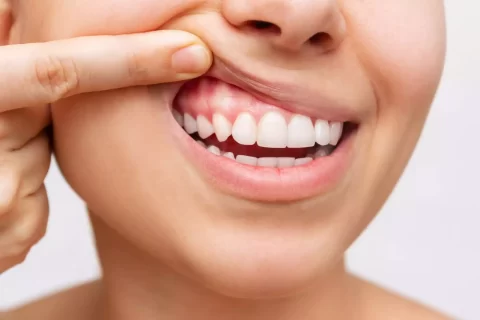
Is a Gap Between Teeth a Confidence Issue or a Health Issue?
Both, depending on the cause and severity. For most patients, a diastema is purely aesthetic. Many people feel self-conscious smiling or speaking in photos and social situations because of a visible gap, even though the teeth themselves are healthy and function normally. That’s a legitimate reason to seek treatment on its own; you don’t need a medical justification to want a more even smile.
In a smaller number of cases, the gap is a symptom of something that does affect oral health. Cleveland Clinic notes that when diastema results from advanced periodontal (gum) disease, the underlying infection is eroding the jawbone that supports your teeth — in that scenario, the gap is a warning sign, not just a cosmetic feature, and it needs periodontal treatment rather than (or before) a cosmetic fix. This is one of the main reasons we recommend an exam before assuming any gap is ‘just cosmetic.’
What Actually Causes Gapped Teeth?
Diastema has several well-documented causes, and more than one can be present at the same time:
Genetics
Cleveland Clinic points to inherited traits as a major factor — a mismatch between jawbone size and tooth size, missing teeth, or undersized (small or peg-shaped) teeth can all leave extra space along the arch that shows up as gaps.
An oversized labial frenum
The labial frenum is the small band of tissue connecting your upper lip to your gums. When it’s larger than average or extends too far between the front teeth, it can physically hold those teeth apart.
Tongue thrust (an abnormal swallowing pattern)
Instead of pressing against the roof of the mouth when swallowing, the tongue presses forward against the front teeth. Repeated over years, that pressure can gradually push the teeth apart — this is one of the same forces behind crooked and misaligned teeth in general.
Childhood thumb-sucking or pacifier habits
Prolonged sucking habits put similar forward pressure on developing front teeth and jawbone, and are a well-known contributor in children.
Periodontal (gum) disease
As noted above, advanced gum disease can erode the bone that holds teeth in place, allowing teeth to shift and gaps to open. This is a medical cause, not a cosmetic one, and needs periodontal treatment.
Missing or undersized teeth
When a tooth is missing, congenitally small, or was lost and never replaced, neighboring teeth can drift into the empty space unevenly, leaving visible gaps elsewhere in the arch.
Treatment Options for Gapped Teeth
The right fix depends on the size of the gap, its cause, and your goals:
Orthodontics (braces) or clear aligners
For gaps caused by genuine spacing or alignment issues, moving the teeth together is often the most lasting solution, since it addresses position rather than just appearance. Aligner treatment for spacing typically runs several months to a couple of years depending on the gap.
A tooth-colored composite resin is sculpted onto the teeth bordering the gap to visually close it in a single visit. It’s a fast, cost-effective option for smaller gaps, though bonding is less durable than veneers over the long term.
Thin custom shells bonded to the front of the teeth can close a gap while also refining shape, size, and color — a common choice when a patient wants a more comprehensive smile makeover alongside gap closure.
Frenectomy
When an oversized labial frenum is the driver, a minor procedure to release or reposition that tissue may be recommended, often alongside orthodontic treatment, to prevent the gap from reopening.
Bridges or implants
When a gap exists because a tooth is missing, replacing that tooth — rather than just cosmetically closing the space — is usually the appropriate fix.
Can Gapped Teeth Be Prevented?
Not every cause of diastema is preventable — genetics and frenum size aren’t within anyone’s control. But a few things do reduce the risk of developing new gaps or making existing ones worse: discouraging prolonged thumb-sucking or pacifier use in young children, addressing a tongue-thrust swallowing pattern early (often with guidance from a dentist or orthodontist), and keeping up with routine cleanings and periodontal care so that gum disease is caught and treated before it affects the bone supporting your teeth.
Frequently Asked Questions -
Gapped Teeth
At Aesthetic General Dentistry of Frisco, we’re always here to clarify and guide. Never hesitate to ask; your oral health is our top priority!
Can a gap come back after treatment?
Yes, particularly after orthodontic closure, if a retainer isn’t worn as directed or if an untreated tongue-thrust habit or oversized frenum continues to push against the teeth. That’s why we address the underlying cause, not just the visible gap, when planning treatment.
How long does treatment for gapped teeth take?
It depends on the method. Bonding can close a visible gap in a single appointment. Veneers typically take two visits over a couple of weeks. Orthodontic treatment with braces or clear aligners for spacing issues generally takes several months up to a couple of years, depending on the size of the gap and whether other teeth need alignment as well.
Is closing a tooth gap purely cosmetic, or could it affect my health?
Most cases are cosmetic, and closing the gap for confidence reasons is a valid goal on its own. However, if your gap is caused by advancing gum disease, it’s a sign of bone loss that needs periodontal treatment first. This is why we recommend an evaluation rather than jumping straight to a cosmetic fix.
Will my gap close on its own?
In young children, small gaps between baby teeth or newly erupted permanent teeth sometimes close naturally as the rest of the adult teeth come in. In adults, diastema does not close on its own and requires orthodontic movement, bonding, or veneers to correct.
Is a gap between my front teeth always genetic?
Genetics is a common cause, but it’s not the only one. Tongue-thrust swallowing patterns, an oversized labial frenum, childhood thumb-sucking, missing or undersized teeth, and periodontal disease can all cause or widen a gap. An exam is the only way to know which factor (or combination) applies to you.
Schedule an Appointment
Ready to get started? Call Aesthetic General Dentistry of Frisco at 214-705-6600 or Request an Appointment online. Our office is located at 9359 Legacy Dr, Ste 200, Frisco, TX 75033.