

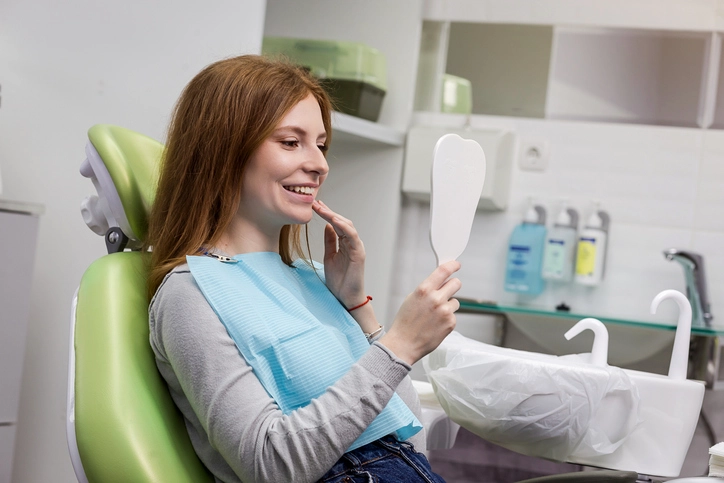
Ever noticed that your teeth don’t quite line up the way they should? Maybe your bite feels uneven, some teeth look oddly shaped, or certain spots are harder to clean. These issues may be signs of malocclusion or misshapen teeth, both of which can affect oral health and daily comfort.
While they’re common, they shouldn’t be ignored. Left untreated, they can lead to jaw pain, tooth wear, and other dental problems. The good news is that effective treatments are available today.
Let’s explore the causes, symptoms, and treatment options that can help improve both your bite and your smile.
What is Malocclusion?
Malocclusion refers to a misalignment of the teeth when the mouth closes. Ideally, your upper and lower teeth should meet in a way that distributes pressure evenly when biting or chewing. When that alignment is off, the result is a bite that doesn’t function as efficiently as it should.
Think of your teeth like puzzle pieces. When they fit together correctly, everything works smoothly. When they don’t, even simple tasks like chewing a sandwich or pronouncing certain words can become awkward.
Malocclusion may occur because of:
- Crooked teeth
- Overcrowding
- Jaw misalignment
- Developmental issues during childhood
Although many cases develop while the teeth and jaw are still growing, adults can also experience malocclusion due to tooth loss, injury, or untreated dental conditions.
For some people, the issue is mostly cosmetic. For others, the misalignment can affect daily comfort and function.
How Common is Malocclusion?
Malocclusion is actually one of the most common dental concerns worldwide. Studies estimate that more than half of the population experiences some form of bite irregularity.
That statistic might sound surprising, but it highlights an important point. Not every misalignment requires treatment. Many mild cases do not cause symptoms and may not interfere with oral health.
Dentists typically monitor bite alignment during regular dental exams. If a developing problem begins to affect chewing, speech, or jaw comfort, orthodontic treatment may be recommended.
Children and teenagers often receive early evaluations because their teeth and jaw are still developing. Early monitoring can make treatment easier and more effective.
Types of Malocclusion
Malocclusion can appear in several forms. Dentists categorize the condition based on how the upper and lower teeth meet when the mouth closes.
Crossbite
A crossbite occurs when upper teeth sit inside the lower teeth when biting down. This can affect one tooth or several.
If left untreated, crossbites may lead to uneven tooth wear or jaw discomfort.
Open Bite
With an open bite, the front teeth do not touch when the mouth closes. This can make biting into foods like apples or sandwiches challenging.
Speech patterns may also be affected in some cases.
Overbite
An overbite happens when upper teeth overlap the lower teeth more than normal. A slight overbite is natural, but a deep overbite may place excessive pressure on the lower teeth and gums.
Overjet
Often referred to as “buck teeth,” overjet occurs when upper front teeth extend too far forward.
This type of alignment increases the risk of dental injury if the teeth experience impact.
Underbite
An underbite happens when the lower teeth extend past the upper teeth.
This can affect chewing efficiency and sometimes cause strain on the jaw joints.
Symptoms of Malocclusion
Some people immediately notice when their teeth are misaligned. Others only realize something is wrong after experiencing discomfort or unusual symptoms.
Common signs include:
- Difficulty chewing or biting food
- Jaw tension or pain
- Frequent cheek biting
- Speech challenges such as lisping
- Mouth breathing
- Crooked or crowded teeth
The severity of symptoms varies widely. In mild cases, individuals may only notice cosmetic concerns. In more severe cases, daily activities like eating or speaking may feel uncomfortable.
What Causes Malocclusion?
There isn’t always a single cause behind malocclusion. Often, it results from a combination of genetic and environmental factors.
Genetics plays a major role. If parents have misaligned teeth or jaw issues, children are more likely to develop similar concerns.
Other possible contributors include:
- Teeth that are too large for the jaw
- Crowded teeth
- Jaw growth differences
- Thumb sucking or pacifier use beyond early childhood
- Tooth loss without replacement
- Teeth grinding (bruxism)
- Impacted teeth
- Poorly fitting dental restorations
- Jaw injuries
Sometimes malocclusion develops gradually over time, which is why routine dental visits are so important.
Complications of Untreated Malocclusion
Ignoring bite misalignment may seem harmless at first, especially if the symptoms are mild. However, untreated malocclusion can lead to several long-term complications.
These may include:
- Uneven tooth wear or enamel erosion
- Gum recession
- Increased risk of cavities
- Jaw pain or TMJ disorders
- Difficulty chewing certain foods
- Sleep-related breathing issues such as sleep apnea
Correcting alignment issues early can help reduce the likelihood of these problems and improve overall oral health.
How Dentists Diagnose Malocclusion
Dentists usually identify bite issues during routine dental checkups. Several tools may be used to evaluate alignment and tooth positioning.
Common diagnostic methods include:
- Dental impressions to create models of the mouth
- X-rays to examine bone structure and tooth placement
- Dental photographs to analyze bite alignment
- Bite analysis during a clinical exam
If the case requires specialized care, patients may be referred to an orthodontist who focuses on correcting bite problems.
Classification of Malocclusion
Dental professionals often classify malocclusion into categories to describe how the teeth and jaws align.
Class I Malocclusion
The bite is mostly normal, but the upper teeth sit slightly ahead of the lower teeth.
Class II Malocclusion
In this case, the upper teeth extend significantly beyond the lower teeth. This is often referred to as an overbite.
Class III Malocclusion
Here, the lower teeth extend beyond the upper teeth, creating an underbite.
More complex classifications may also exist depending on the severity and jaw position.
Treatment Options for Malocclusion
Fortunately, modern dentistry provides many ways to correct bite problems.
Treatment depends on several factors:
- Age of the patient
- Severity of misalignment
- Overall oral health
Common treatments include:
- Braces – Traditional brackets and wires gradually move teeth into alignment.
- Clear Aligners – Removable trays provide a discreet way to shift teeth over time.
- Orthodontic Headgear – Sometimes used to guide jaw development in children.
- Tooth Extractions – Removing teeth may help create space in overcrowded mouths.
- Restorative Dentistry – Crowns or other restorations may correct bite-related damage.
- Jaw Surgery – Severe jaw misalignment may require surgical correction.
Most orthodontic treatments last between one and two years, though timelines vary depending on the complexity of the case.
What are Misshapen Teeth?
Misshapen teeth are teeth that develop with unusual size, structure, or form.
These variations may affect one tooth or multiple teeth throughout the mouth. While some cases are purely cosmetic, others can influence bite alignment and function.
Teeth commonly affected include:
- Wisdom teeth
- Second premolars
- Upper lateral incisors
A well-known example is peg lateral incisors, which appear smaller and more pointed than typical teeth.
Causes of Misshapen Teeth
Just like malocclusion, misshapen teeth often have genetic roots. Some people inherit traits that influence how teeth develop.
Other possible causes include:
- Genetic conditions affecting tooth formation
- Developmental abnormalities
- Dental trauma
- Diseases that affect tooth structure
Sometimes the cause remains unknown, but dentists can still recommend treatments to improve appearance and function.
Treatment Options for Misshapen Teeth
Dentistry has come a long way in restoring and reshaping teeth.
Several treatments can improve both function and aesthetics.
Dental Crowns
Crowns cover the entire visible portion of the tooth, restoring strength and shape.
Thin porcelain shells placed on the front of teeth can dramatically improve their appearance.
Bonding uses tooth-colored resin molded onto the tooth to reshape it. This option is often more affordable and effective for minor corrections.
A dentist or prosthodontist can recommend the best solution depending on the condition of the tooth.
Can Malocclusion or Misshapen Teeth Be Prevented?
Not every case can be prevented, especially when genetics play a role. However, some habits and early care can reduce the risk of certain bite problems.
Helpful preventive steps include:
- Maintaining consistent oral hygiene
- Scheduling regular dental checkups
- Replacing missing teeth promptly
- Limiting thumb sucking or pacifier use in young children
- Monitoring dental development during childhood
Early dental evaluations can detect potential problems before they become more serious.
Frequently Asked Questions About Malocclusion and Misshapen Teeth
Patients often have many questions about bite alignment and tooth shape.
Some of the most common include:
What happens if malocclusion is not treated?
Untreated misalignment can lead to tooth wear, gum problems, and jaw discomfort.
Can braces fix all bite problems?
Braces can correct many issues, but severe jaw misalignment may require surgery.
Are misshapen teeth genetic?
Many cases are genetic, though trauma or developmental issues may also contribute.
Can adults fix bite problems?
Absolutely. Adults can improve their bite with braces, aligners, veneers, or other dental treatments.
How long does orthodontic treatment take?
Most treatments last between 12 and 24 months.
Recognizing symptoms early and seeking professional guidance can make treatment simpler and more effective.
Your Smile Deserves Precision, Comfort, and Confidence
If your teeth feel misaligned, appear misshapen, or simply don’t function as comfortably as they should, it may be time to take the next step toward a healthier smile.
At Aesthetic General Dentistry of Frisco, patients receive personalized care designed to address both functional and cosmetic dental concerns. Whether you are exploring orthodontic solutions, cosmetic treatments, or a full smile evaluation, we’re committed to helping you achieve a balanced, healthy smile that feels as good as it looks.
Schedule a consultation today and discover how modern dental care can transform your comfort, confidence, and long-term oral health.