

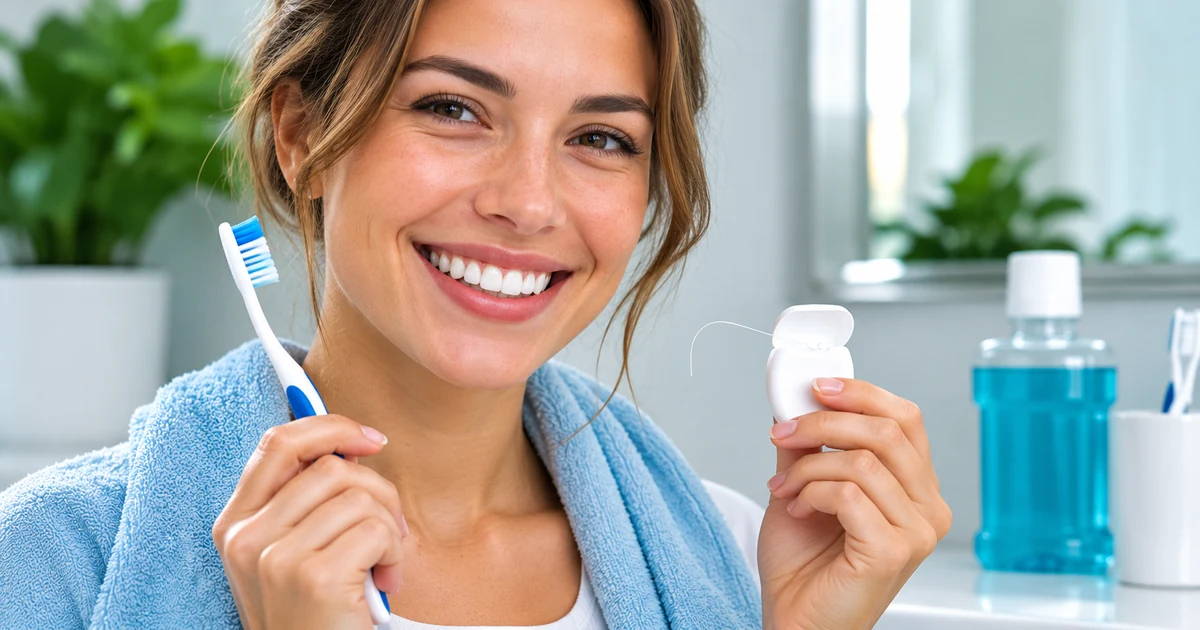
Preventing cavities between dental visits starts with consistent brushing, daily flossing, fluoride use, and smart food choices. Learning how to prevent cavities between dental visits can help protect tooth enamel, reduce plaque buildup, and lower your risk of developing tooth decay. However, even patients who practice excellent oral hygiene can develop cavities in hard-to-reach areas.
At Aesthetic General Dentistry of Frisco, we encourage patients to maintain healthy habits at home while continuing regular dental examinations. Understanding what causes cavities and how daily choices affect your teeth can make prevention easier.
How Can You Prevent Cavities Between Dental Visits?
The most effective way to reduce cavity risk between dental appointments is to follow a consistent oral care routine that limits plaque buildup and protects tooth enamel.
Cavities develop when bacteria in dental plaque use sugars and other fermentable carbohydrates to produce acids. These acids remove minerals from enamel, gradually weakening the tooth’s protective surface.
Repeated acid exposure can eventually lead to permanent tooth damage.
Fortunately, several everyday habits can help lower this risk.
Recommended cavity prevention habits include:
- Brush twice daily: Use fluoride toothpaste and brush for two minutes each time.
- Clean between your teeth: Floss or use an appropriate interdental cleaner at least once daily.
- Limit sugary foods: Reduce frequent exposure to candy, sweetened beverages, and sticky snacks.
- Drink water regularly: Water helps rinse away food particles and supports saliva production.
- Use fluoride consistently: Fluoride strengthens enamel and helps repair early mineral loss.
- Avoid constant snacking: Give saliva time to neutralize acids between meals.
- Address dry mouth: Persistent dryness can increase your risk of tooth decay.
- Maintain dental appointments: Professional examinations can identify problems that home care may not reveal.
These steps work together to reduce the conditions that allow cavities to develop.
The most effective routine is one you can maintain consistently rather than an occasional intensive cleaning session.
Why Is Daily Brushing Important for Cavity Prevention?
Brushing removes plaque, a sticky bacterial film that continuously forms on tooth surfaces.
When plaque remains on your teeth, bacteria can produce acids after you consume sugary or starchy foods.
Over time, these acids may weaken enamel and contribute to cavities.
Brush twice a day for two minutes
The American Dental Association recommends brushing twice daily with fluoride toothpaste.
Spend approximately two minutes cleaning all accessible tooth surfaces.
Pay attention to:
- The outer surfaces facing your cheeks and lips.
- The inner surfaces facing your tongue.
- The chewing surfaces of your back teeth.
- Areas where teeth meet the gumline.
- Hard-to-reach areas around existing dental work.
Many patients brush the front teeth thoroughly but overlook the backs of molars.
Using a consistent brushing pattern can help ensure that every area receives attention.
Use the right toothbrush
A soft-bristled toothbrush is generally recommended because it can remove plaque without unnecessary pressure on the gums.
Both manual and electric toothbrushes can be effective when used correctly.
Electric toothbrushes may be particularly helpful for patients who have difficulty maintaining consistent brushing movements.
Replace your toothbrush or brush head approximately every three to four months, or sooner if the bristles become worn.
Avoid brushing too aggressively
Brushing harder does not necessarily clean teeth better.
Excessive pressure may contribute to gum irritation and tooth surface wear.
Use gentle movements along the gumline rather than forceful scrubbing.
If you are uncertain about your technique, our dental team can explain how to clean your teeth effectively without applying unnecessary pressure.
How Does Flossing Help Prevent Cavities Between Teeth?
Brushing cleans many exposed tooth surfaces, but toothbrush bristles cannot effectively reach every space between neighboring teeth.
These areas can collect plaque and food particles throughout the day.
Without regular cleaning, bacteria may remain between teeth and contribute to cavities.
Why cavities develop between teeth
Cavities between teeth are sometimes called interproximal cavities.
They can develop where neighboring teeth touch and where plaque is difficult to remove.
Because these areas are not easily visible, early decay may go unnoticed.
Daily flossing helps disrupt plaque in these spaces before it accumulates.
How to floss correctly
Use a comfortable length of dental floss and gently guide it between neighboring teeth.
Curve the floss around the side of one tooth and move it carefully beneath the gumline.
Repeat along the adjacent tooth before moving to the next space.
Avoid snapping floss against your gums.
If traditional floss is difficult to use, alternatives may include floss holders, interdental brushes, or water flossers.
The most appropriate tool depends on the spacing between your teeth, your dental restorations, and your oral health needs.
Should you floss before or after brushing?
Either order can work when both activities are performed thoroughly.
Some patients prefer flossing first because it removes debris before brushing with fluoride toothpaste.
The most important factor is cleaning between your teeth every day.
Which Foods and Drinks Increase Cavity Risk?
Diet plays a significant role in cavity prevention because oral bacteria use sugars and certain carbohydrates to produce enamel-damaging acids.
However, cavity risk depends on more than the total amount of sugar consumed.
How frequently you eat, how long food remains on your teeth, and your saliva production also matter.
Sugary foods
Candy, cookies, pastries, and other sweet foods provide sugars that cavity-causing bacteria can use.
Sticky foods may remain attached to tooth surfaces longer than foods that clear away quickly.
Examples include chewy candies, caramel, and certain dried fruit products.
These foods do not guarantee that cavities will develop, but frequent exposure can increase risk.
Sugary and acidic beverages
Soft drinks, sweetened coffee, sports drinks, and some fruit beverages can contribute to tooth decay.
Sugary beverages provide fuel for bacteria, while acidic drinks can directly contribute to enamel erosion.
Sipping a sweetened drink throughout the afternoon creates repeated exposure.
Choosing plain water more often can help reduce these effects.
Starchy foods
Crackers, chips, bread, and other refined starches can also contribute to plaque-related acid production.
Some starches break down into sugars in the mouth, especially when particles remain trapped between teeth.
This is why removing food debris and plaque matters even when a snack does not taste particularly sweet.
Better everyday choices
Foods that support a balanced diet can also support oral health.
Consider choosing fresh vegetables, unsweetened dairy products, nuts when appropriate, and whole foods with limited added sugar.
You do not need to eliminate every treat.
Instead, pay attention to how often you consume sugary foods and drinks and maintain consistent oral hygiene.
How Can Fluoride Help Strengthen Tooth Enamel?
Fluoride is a naturally occurring mineral that helps protect teeth against decay.
It strengthens tooth enamel by supporting remineralization, the process through which minerals are restored to enamel after acid exposure.
How enamel loses minerals
When plaque bacteria produce acids, minerals such as calcium and phosphate can leave the enamel surface.
This process is called demineralization.
During early stages, enamel may begin to weaken even before a visible cavity develops.
Saliva helps restore some of these minerals naturally.
Fluoride makes this repair process more effective and helps enamel become more resistant to future acid attacks.
Can fluoride reverse early tooth decay?
Fluoride can help stop or reverse very early enamel demineralization before a physical cavity forms.
However, once tooth structure has broken down and a cavity develops, fluoride alone generally cannot restore the missing tooth structure.
A dentist must evaluate whether treatment is needed.
Where does fluoride come from?
Common fluoride sources include toothpaste, certain mouth rinses, fluoridated drinking water, and professionally recommended fluoride products.
Patients at higher risk for cavities may benefit from additional fluoride measures based on their dentist’s recommendations.
At Aesthetic General Dentistry of Frisco, we can help patients understand whether their home care provides appropriate fluoride protection.
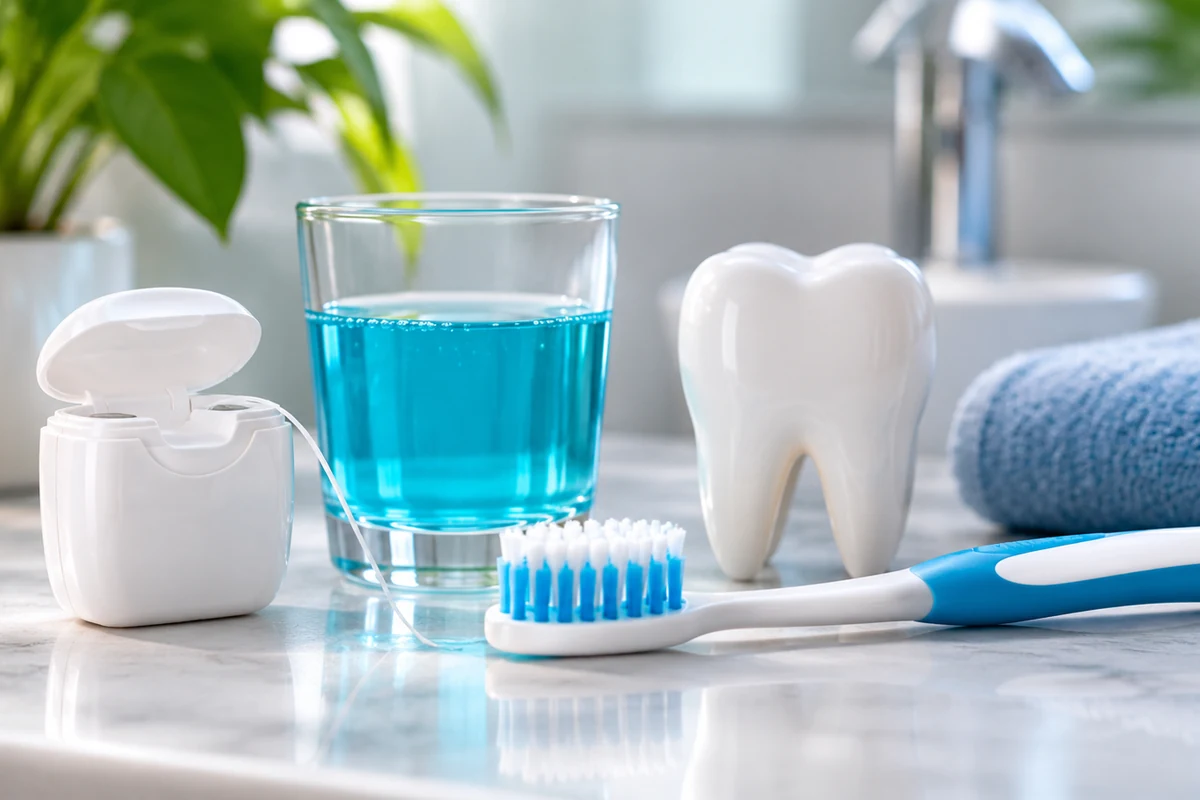
Should You Use a Fluoride Toothpaste or Mouth Rinse?
Fluoride toothpaste should be part of most patients’ daily cavity prevention routines.
A fluoride mouth rinse may provide additional protection for some individuals, but it is not necessary for everyone.
Choosing fluoride toothpaste
Look for toothpaste containing fluoride and consider products carrying the American Dental Association Seal of Acceptance.
Brush twice daily using the recommended amount.
For children younger than three, parents should use a smear approximately the size of a grain of rice.
Children ages three through six should generally use no more than a pea-sized amount.
Young children should be supervised to reduce swallowing and encourage proper brushing.
When a fluoride mouth rinse may help
Patients with a higher risk of cavities may benefit from a fluoride rinse.
This may include individuals with a history of frequent tooth decay, orthodontic appliances, or persistent dry mouth.
However, mouth rinses do not replace brushing and flossing.
Children younger than six should not use fluoride mouth rinses unless specifically directed by a dentist because they may swallow the product.
Should you rinse immediately after brushing?
Spitting out excess toothpaste without immediately washing it away with large amounts of water can help leave fluoride on the teeth.
Follow your dentist’s instructions and the product directions.
If you use a separate fluoride rinse, ask whether it is better to use it at another time of day.
The goal is to receive fluoride’s protective benefits while using each product safely.
How Does Frequent Snacking Affect Your Teeth?
Frequent snacking increases the number of times teeth are exposed to acids produced by plaque bacteria.
Even relatively small snacks can contribute to repeated acid exposure when consumed throughout the day.
Why snacking frequency matters
After eating carbohydrates, bacteria can produce acids that temporarily lower the pH around your teeth.
Saliva gradually helps neutralize these acids and restore minerals.
When snacks or sugary drinks are consumed repeatedly, the mouth has less time to recover between acid attacks.
For example, eating a cookie with lunch generally creates a different exposure pattern than eating several cookies at different times throughout the afternoon.
Avoid grazing throughout the day
Continually eating small amounts can extend the periods when enamel is exposed to acids.
Try to maintain regular meals and reduce unnecessary snacking between them.
If you need a snack, choose options with little or no added sugar.
Drink water between meals
Water helps clear food particles and supports the mouth’s natural protective processes.
Replacing frequent sugary beverages with water is one of the simplest changes patients can make.
Sugar-free gum may also stimulate saliva after meals, particularly when brushing is not immediately possible.
However, gum is an additional preventive measure rather than a substitute for cleaning your teeth.
Can Dry Mouth Increase the Risk of Cavities?
Yes. Persistent dry mouth can significantly increase cavity risk because saliva plays an important role in protecting teeth.
Saliva helps wash away food debris, neutralize acids, and supply minerals that support enamel.
When saliva production decreases, these protective functions become less effective.
What causes dry mouth?
Dry mouth, also called xerostomia, can have several causes.
Common contributing factors include:
- Certain prescription or over-the-counter medications.
- Dehydration.
- Mouth breathing.
- Some medical conditions.
- Certain medical treatments.
- Tobacco and alcohol use.
Dry mouth can affect adults of any age and should not automatically be considered a normal part of aging.
Signs you may have dry mouth
Symptoms may include a sticky sensation, difficulty swallowing dry foods, persistent thirst, cracked lips, or a dry feeling when waking up.
Some patients also experience bad breath or changes in taste.
How to manage dry mouth
Drinking water regularly can help relieve mild dryness.
Sugar-free gum or lozenges may stimulate saliva production for some patients.
Limiting tobacco and alcohol and avoiding products that worsen dryness may also help.
If symptoms continue, schedule a dental evaluation.
Do not discontinue prescribed medications without speaking with the healthcare professional who manages them.
Our dental team can review your oral health concerns and discuss appropriate ways to reduce cavity risk associated with dry mouth.
Why Are Regular Dental Checkups Still Important?
Good home care is essential, but it cannot completely replace professional dental examinations and cleanings.
Some areas are difficult to inspect or clean effectively without dental instruments.
Furthermore, cavities may develop without causing obvious symptoms during their early stages.
Dental exams can identify early changes
During routine examinations, dentists assess teeth and surrounding tissues for signs of decay and other oral health concerns.
When clinically appropriate, dental X-rays can help identify decay between teeth that may not be visible during a standard examination.
Finding problems earlier can sometimes allow for more conservative treatment.
Professional cleanings remove hardened deposits
Plaque that remains on teeth can eventually harden into tartar, also called calculus.
Once tartar forms, regular brushing and flossing cannot reliably remove it.
Professional dental cleaning helps remove these deposits and supports gum health.
Preventive care should match your needs
Some patients have a higher risk of cavities because of previous dental problems, dry mouth, dietary habits, or other factors.
These individuals may require more frequent monitoring or additional preventive recommendations.
The appropriate dental appointment schedule should be determined based on individual oral health needs.
At Aesthetic General Dentistry of Frisco, we encourage patients to combine consistent home care with professional examinations rather than relying on either approach alone.
What Habits Help Keep Teeth Healthy Between Appointments?
Knowing how to prevent cavities between dental visits is useful, but developing habits that fit your schedule is what makes prevention sustainable.
You do not need an elaborate routine to improve your oral hygiene.
Instead, focus on simple actions you can repeat every day.
Create a consistent daily routine
Morning: Brush for two minutes with fluoride toothpaste. Choose water instead of a sugary beverage when possible.
Throughout the day: Limit frequent sugary snacks and drinks. Drink water regularly, especially after meals.
Evening: Clean between your teeth and brush thoroughly with fluoride toothpaste before going to bed.
Avoid eating or drinking sugary beverages after your nighttime brushing.
Pay attention to changes in your teeth
Do not wait for your next scheduled appointment if you notice persistent tooth sensitivity, discomfort when biting, visible holes, or unusual discoloration.
Not all sensitivity means you have a cavity, but new or worsening symptoms deserve evaluation.
Severe tooth pain, facial swelling, or fever associated with a dental problem should be assessed promptly.
Ask about your individual cavity risk
Your dental history, medications, existing restorations, and saliva production can all affect your likelihood of developing cavities.
A preventive routine that works well for one patient may need adjustments for another.
Keep Your Smile Healthy With Aesthetic General Dentistry of Frisco
At Aesthetic General Dentistry of Frisco, we believe that lasting oral health begins with good daily habits and continues through regular professional care.
Dr. Chirag Patel and our team help patients understand their oral health needs and identify practical ways to protect their teeth between appointments.
Whether you have questions about brushing techniques, frequent cavities, fluoride products, or persistent sensitivity, we can help you understand your options.
We welcome patients and families throughout Frisco, TX, who want to take a more proactive approach to maintaining their smiles.
Contact Aesthetic General Dentistry of Frisco at (214) 705-6600 to schedule your next dental appointment and discuss your cavity prevention needs.
FAQs
Can you prevent cavities without going to the dentist?
Good brushing, flossing, fluoride use, and dietary habits can reduce cavity risk, but they cannot guarantee prevention. Professional dental examinations remain important for identifying early decay and other problems that may not cause symptoms.
How many times a day should you brush to prevent cavities?
Brush twice daily for two minutes using fluoride toothpaste. Clean between your teeth once daily to remove plaque from areas a toothbrush cannot easily reach.
Does drinking water help prevent cavities?
Yes. Water helps wash away food debris and supports saliva’s natural protective functions. Fluoridated drinking water can provide additional protection against tooth decay.
Can small cavities heal naturally?
Very early enamel demineralization may be reversed through remineralization supported by fluoride and saliva. However, once a physical cavity forms, the missing tooth structure generally cannot grow back and may require dental treatment.
Is mouthwash necessary to prevent cavities?
Not necessarily. Fluoride toothpaste, daily interdental cleaning, and healthy dietary habits are the foundation of prevention. Some patients may benefit from fluoride mouth rinse based on their individual cavity risk.
How often should you visit the dentist if you rarely get cavities?
Your appointment schedule should reflect your oral health history and individual risk factors. Even patients who rarely develop cavities benefit from regular examinations because dental problems can occur without noticeable symptoms.