
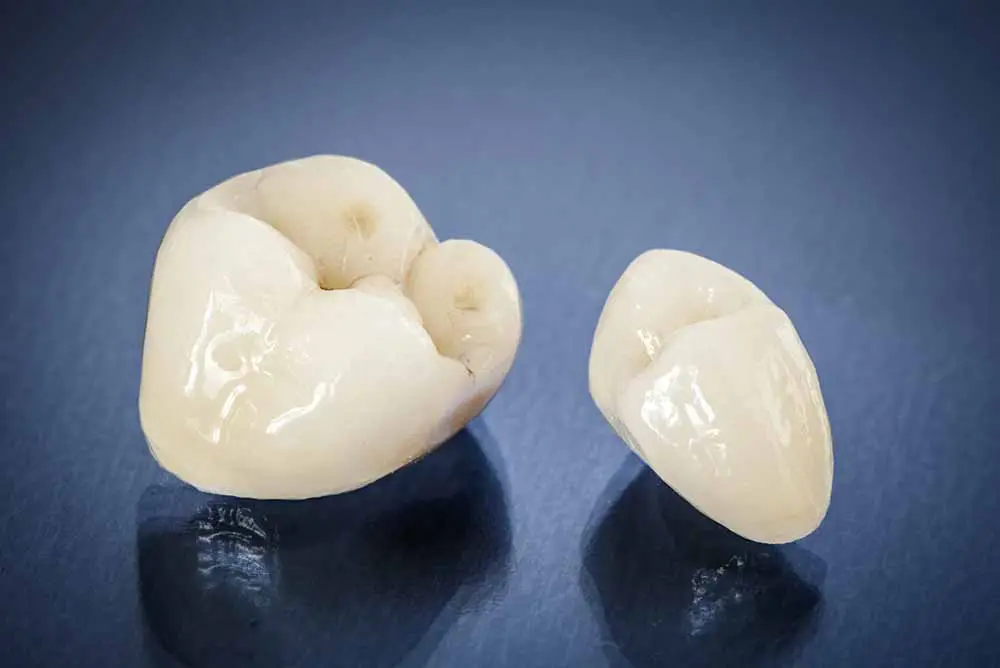
Nobody wants a dental crown that looks like a dental crown anymore. Gone are the days of obvious, bulky caps that scream “work done.” Today, dental crowns are all about blending in, not standing out.
Modern crowns are designed to look, feel, and function just like real teeth. They match your natural color, shape, and even the way light hits your smile. The goal isn’t perfection that looks fake. It’s confidence that feels real.
Whether you’re fixing damage or improving your smile, today’s crowns focus on subtle results that let your natural smile do the talking.
What is invisible dentistry and how do modern dental crowns support natural looking smiles?
Invisible dentistry is a modern cosmetic approach where restorations are made to disappear into your natural smile. Instead of aiming for a “perfect” artificial look, the focus is on realism: subtle color variation, natural tooth shape, lifelike translucency, and proportions that fit your face and bite.
A modern dental crown supports invisible dentistry by restoring a tooth in a way that does not draw attention. It should match the neighboring teeth so closely that even you forget which tooth was treated. That takes more than just choosing a shade. It involves careful planning, material selection, and design details that mimic what nature does best.
Here’s what natural-looking crowns help accomplish:
- They protect weak or damaged teeth without changing your smile’s character.
- They restore shape and symmetry so the tooth looks like it belongs.
- They maintain natural light reflection so the crown doesn’t look flat or chalky.
- They keep your bite comfortable so the tooth feels normal in everyday use.
Invisible dentistry also prioritizes conservative, thoughtful improvements. That means the crown isn’t just placed to cover a tooth. It’s crafted to work with the surrounding teeth, your gumline, and your natural bite pattern.
A truly natural crown usually includes details that people don’t consciously notice but their brain recognizes as “real,” like:
- slight translucency near the edge
- gentle grooves and texture similar to adjacent teeth
- a color gradient (teeth are rarely one solid shade)
- a shape that matches the tooth type (front teeth don’t look like back teeth)
When these details come together, crowns stop looking like dental work and start looking like your own teeth.
How have dental crowns evolved to look more natural than traditional options?
Older crowns were often made with strong materials, but they weren’t always designed with cosmetic realism in mind. Many traditional crowns had a few common issues: they could look more opaque, appear slightly darker at the gumline, or reflect light differently than natural enamel. Some had a “one-shade” look that stood out, especially on front teeth.
Modern crowns have evolved in a few major ways.
Better materials that mimic enamel
Today’s crown materials are built to imitate how enamel and dentin interact with light. Natural teeth aren’t just white on the outside. They have layers. Enamel is slightly translucent and dentin underneath affects the warmth and depth of color. Modern ceramics are designed to recreate that layered effect.
More precise digital design and manufacturing
Digital scans, improved imaging, and computer-aided design have made crowns far more accurate than the older “impression” methods alone. With better accuracy comes better fit, and when a crown fits precisely, it looks more natural at the gumline and feels more comfortable.
A more exact fit also helps with:
- smoother edges
- less irritation around the gums
- improved bite alignment
- better long-term durability
Aesthetic customization is now the expectation
Cosmetic dentistry has shifted toward custom work as the standard, not the upgrade. Modern crowns can be shaped and finished to match your natural tooth anatomy, not just “a tooth shape.” That means the crown can reflect your real smile traits, whether your teeth are more rounded, more angular, slightly longer, or have subtle asymmetry.
Stronger options that don’t require metal support
Metal-based crowns were used for strength, especially in high-bite-pressure areas. But metal can affect how a crown looks because it blocks light. Newer ceramics can provide excellent strength while still allowing light transmission that looks natural.
That blend of strength and beauty is one of the biggest reasons crowns today can look so “invisible.”
Why are natural looking dental crowns becoming the standard in cosmetic dentistry?
Natural-looking crowns are becoming the standard because patients want results that feel authentic. People aren’t just asking, “Will it work?” They’re asking, “Will it look like me?”
There are a few reasons this shift is happening so fast.
Social and professional life is more visual than ever
Between video calls, high-resolution phone cameras, and social media, people notice smiles more. Even if no one can point out what’s “off,” an unnatural crown can subtly affect confidence. Natural crowns reduce that worry because they blend in under different lighting conditions, including bright daylight and indoor lighting.
Cosmetic goals are more refined
The trend has moved away from overly white, perfectly uniform teeth. Many patients want improvements, but still want their smile to look real. Invisible dentistry matches that mindset. A crown can be beautiful without looking like it was designed to be noticed.
Modern dentistry is more conservative and detail-driven
A natural crown is not just a cover. It’s a restoration that respects the gumline, the bite, and the overall smile design. Dentists and labs now aim for restorations that preserve a healthy look over time, not just on day one.
The best cosmetic work is the work nobody detects
In cosmetic dentistry, the most successful outcome is often the one that doesn’t invite questions. A natural-looking crown lets you move through life without feeling like you need to explain your dental work. That’s a big reason patients see it as the standard rather than a luxury.
Long-term satisfaction tends to be higher
Crowns that match your natural smile are easier to live with emotionally. When a restoration blends in, patients often feel more comfortable smiling freely. And comfort matters just as much as aesthetics.
Natural crowns also support a healthier overall look because they can be designed to harmonize with:
- gum contours
- tooth proportions
- smile line
- spacing and alignment
That harmony is what makes a smile feel “right” even if someone can’t explain why.
What materials are used in modern dental crowns to achieve a seamless appearance?
Materials are a huge part of invisible dentistry because different materials handle light, shade, and texture differently. The right crown material depends on where the tooth is located, how much bite pressure it takes, and the cosmetic goals for your smile.
Here are the most common materials used for natural-looking crowns today:
All-ceramic crowns (porcelain-based)
All-ceramic crowns are popular for front teeth because they can look extremely lifelike. They can be designed with translucency and color depth that closely resembles natural enamel. They’re often chosen when appearance is the top priority.
Why they’re great for invisible dentistry:
- excellent aesthetics
- natural light reflection
- no metal edge at the gumline
Zirconia crowns (including translucent zirconia)
Zirconia has a reputation for strength, which makes it a strong choice for back teeth. Newer translucent zirconia options have improved the cosmetic side significantly, so zirconia can now be used in visible areas too, depending on your needs.
Why it works for natural-looking results:
- strong and durable
- newer versions can be more lifelike
- good for patients who grind or clench
Lithium disilicate (often known by brand families like “e.max”)
Lithium disilicate is known for combining strength and beauty. It’s often used for crowns in the smile zone because it can be very natural-looking while still being durable.
Why it’s a go-to for seamless crowns:
- highly aesthetic with realistic translucency
- strong enough for many biting situations
- blends well with surrounding teeth
Porcelain-fused-to-zirconia or layered ceramics
Some crowns use a strong core with an outer ceramic layer that is customized for appearance. This can allow both durability and detailed aesthetics, especially when matching specific tooth characteristics is important.
What “seamless” really depends on
Even the best material won’t look natural if the crown isn’t designed with realistic details. A seamless appearance typically comes from a combination of:
- precise shade matching (including warmth and undertones)
- correct translucency level for that tooth
- shape and contour that matches neighboring teeth
- natural surface texture (not overly smooth)
- a well-finished edge that blends at the gumline
A truly natural crown doesn’t just match the color. It matches the personality of your smile.
Let’s Create a Crown That Looks Like You
If you need a crown but want it to look completely natural, invisible dentistry makes that possible. The right crown should protect your tooth, feel comfortable when you bite, and blend in so well you forget it’s there.
If you’re ready to restore a damaged tooth without sacrificing the look of your smile, schedule a consultation with Aesthetic General Dentistry of Frisco. We’ll talk through your goals, review crown material options, and create a plan focused on a seamless, natural result. Call today to get started and smile confidently again.