

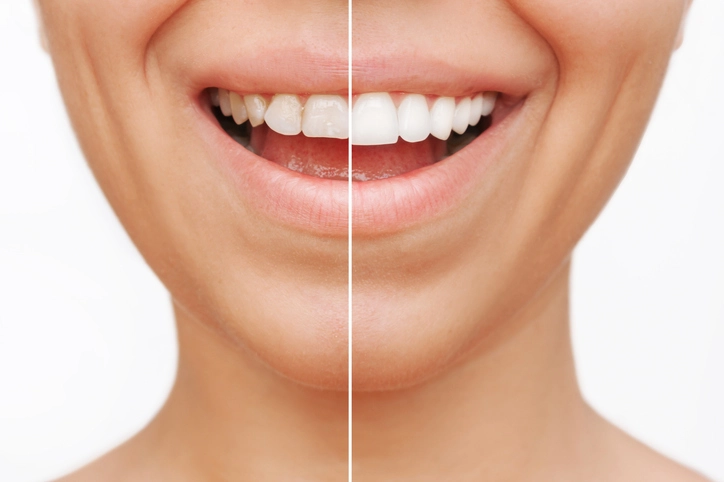
Persistent plaque buildup, bleeding gums, bad breath, tooth sensitivity, and visible tartar are common signs that you may need a professional teeth cleaning as soon as possible. Delaying routine dental cleanings can increase the risk of gum disease, cavities, enamel damage, and more serious oral health complications over time.
Many dental problems begin gradually and may not cause pain immediately. Understanding the early signs you need teeth cleaning helps patients seek preventive care before minor issues become more difficult and expensive to treat.
Routine cleanings play an important role in maintaining healthy gums, reducing bacterial buildup, and protecting long-term oral health.
What Are the Warning Signs You Need a Dental Cleaning?
Several oral health symptoms may indicate excessive plaque, tartar accumulation, or early gum inflammation.
Visible Tartar Buildup Along the Gumline
Tartar commonly appears as:
- Yellow deposits
- Brown buildup
- Hardened plaque near the gums
Unlike soft plaque, tartar cannot be removed effectively with normal brushing alone.
Professional scaling is often necessary to remove hardened deposits safely.
Persistent Tooth Sensitivity
Plaque and tartar accumulation may contribute to gum recession and enamel irritation.
Patients may notice sensitivity to:
- Cold drinks
- Hot foods
- Sweet foods
- Air exposure
Sensitivity sometimes signals underlying gum inflammation or early dental disease.
Swollen or Irritated Gums
Healthy gums should appear:
- Firm
- Pink
- Non-tender
Redness, puffiness, or soreness may indicate gingivitis caused by bacterial buildup around the gumline.
These are common signs you need teeth cleaning before inflammation worsens.
Teeth Feel Rough or Coated
Excess plaque may create a fuzzy or rough sensation on tooth surfaces even after brushing.
Professional cleanings help remove stubborn buildup that daily home care may miss.
Staining Becomes More Noticeable
Surface stains from:
- Coffee
- Tea
- Tobacco
- Dark-colored foods
often become more pronounced when plaque accumulates on tooth surfaces.
Routine teeth cleaning in Frisco, TX may help improve overall tooth appearance and cleanliness.
How Long Is Too Long Without a Teeth Cleaning?
Most patients benefit from professional dental cleanings every six months, although some individuals require more frequent care.
Plaque Hardens Into Tartar Quickly
Plaque may begin hardening into tartar within days if not removed effectively.
Once tartar forms, brushing and flossing alone cannot eliminate it completely.
Delayed Cleanings Increase Gum Disease Risk
Extended periods without dental cleaning may allow bacteria to accumulate beneath the gums.
This may increase the risk of:
- Gingivitis
- Periodontitis
- Bone loss
- Tooth mobility
Early preventive care helps reduce these risks.
Some Patients Require More Frequent Cleanings
Patients with:
- Gum disease history
- Diabetes
- Smoking habits
- Orthodontic appliances
may benefit from professional cleanings every three to four months instead of twice yearly.
For patients with a history of gum problems, periodontal maintenance therapy may be recommended to help manage recurring inflammation and bacterial buildup.
Dental Problems May Develop Silently
Many oral health issues progress without immediate pain or visible symptoms.
Skipping routine care may allow:
- Cavities
- Gum disease
- Plaque buildup
- Enamel erosion
to worsen gradually over time.
Understanding the signs you need teeth cleaning helps patients avoid long gaps between preventive visits.
Preventive Care Reduces Treatment Complexity
Routine cleanings may help reduce the need for:
- Deep cleanings
- Gum surgery
- Fillings
- Tooth replacement procedures
Consistent maintenance often supports lower long-term dental treatment costs.
Can Bad Breath Mean You Need a Cleaning?
Yes. Persistent bad breath is commonly linked to plaque buildup, bacteria accumulation, and gum disease.
Bacteria Produce Odor-Causing Compounds
Oral bacteria break down food particles and release sulfur compounds that contribute to unpleasant breath odor.
These bacteria often accumulate:
- Along the gumline
- Between teeth
- On the tongue
- Around tartar deposits
Professional cleaning helps reduce bacterial buildup significantly.
Tartar Traps Bacteria and Debris
Hardened tartar creates rough surfaces where bacteria can continue collecting.
This buildup may worsen:
- Chronic bad breath
- Gum irritation
- Inflammation
Routine professional teeth cleaning removes tartar that regular brushing cannot eliminate effectively.
Gum Disease Frequently Causes Bad Breath
Persistent bad breath combined with:
- Bleeding gums
- Swelling
- Gum tenderness
may indicate gingivitis or periodontal disease.
Treating the underlying gum inflammation often improves breath quality. In some cases, gum disease treatment may be needed when symptoms progress beyond routine buildup.
Dry Mouth May Worsen Odor
Reduced saliva flow allows bacteria to multiply more easily.
Dry mouth may result from:
- Medications
- Medical conditions
- Dehydration
- Mouth breathing
Professional dental evaluation helps identify contributing factors.
Mouthwash Alone May Not Solve the Problem
Temporary breath freshening products often mask odor without addressing bacterial buildup or tartar accumulation.
Professional dental care targets the source of the problem directly.
Why Do My Gums Bleed When I Brush or Floss?
Bleeding gums commonly indicate inflammation caused by plaque and bacterial irritation around the gumline.
Gingivitis Is a Common Cause
Gingivitis develops when plaque accumulates near the gums and triggers inflammation.
Symptoms often include:
- Redness
- Swelling
- Bleeding during brushing
- Tenderness
Early gingivitis is often reversible with professional cleaning and improved oral hygiene.
Tartar Buildup Irritates Gum Tissue
Hardened tartar creates rough surfaces that trap bacteria and irritate delicate gum tissues.
This irritation may cause:
- Bleeding
- Gum sensitivity
- Persistent inflammation
Routine teeth cleaning in Frisco, TX helps remove tartar safely before gum disease progresses.
Aggressive Brushing Is Not Always the Cause
Some patients assume bleeding occurs because they brush too hard.
While aggressive brushing may contribute, bleeding more commonly signals:
- Inflammation
- Plaque accumulation
- Early gum disease
Persistent bleeding should not be ignored.
Flossing Discomfort May Improve After Cleaning
Inflamed gums often bleed when flossing because bacteria have irritated the tissue.
As plaque levels decrease, bleeding frequently improves with consistent hygiene and professional care.
Advanced Gum Disease May Develop Without Treatment
Untreated gum inflammation may eventually progress to:
- Periodontitis
- Bone loss
- Gum recession
- Tooth mobility
Recognizing early signs you need teeth cleaning helps reduce the risk of long-term periodontal damage.
What Happens If You Delay Professional Teeth Cleaning?
Delaying preventive dental cleanings allows plaque, tartar, and bacteria to accumulate over time.
Gum Disease May Worsen
Untreated plaque buildup may progress from mild gingivitis into more advanced periodontal disease.
Advanced gum disease may damage:
- Bone support
- Gum tissue
- Tooth stability
Severe periodontal disease remains a major cause of adult tooth loss.
Cavities May Develop More Easily
Plaque bacteria produce acids that weaken tooth enamel and increase cavity risk.
Areas difficult to clean thoroughly may become especially vulnerable. Regular dental checkups can help identify early decay, gum changes, and buildup before symptoms become more serious.
Staining and Tartar Become Harder to Remove
Long-term buildup often causes:
- Dark staining
- Thick tartar deposits
- Rough tooth surfaces
Extensive buildup may require deeper cleaning procedures.
Chronic Inflammation Affects Oral Health
Ongoing gum inflammation may contribute to:
- Gum recession
- Tooth sensitivity
- Persistent discomfort
Early preventive care often helps minimize these complications.
Delayed Treatment May Increase Costs
Minor problems may become more complex and expensive if left untreated.
Routine professional teeth cleaning often helps reduce the need for extensive restorative procedures later.
Can Plaque Buildup Cause Serious Dental Problems?
Yes. Plaque accumulation is one of the primary causes of many common oral health conditions.
Plaque Contributes to Cavities
Plaque bacteria produce acids that weaken enamel and create tooth decay.
Without removal, cavities may eventually affect:
- Deeper tooth structure
- Dental nerves
- Root surfaces
Gum Disease Begins With Plaque
Plaque near the gums may trigger:
- Gingivitis
- Periodontal disease
- Bone deterioration
Untreated gum disease may eventually threaten tooth stability.
Plaque May Increase Inflammation Throughout the Mouth
Excess bacterial accumulation may contribute to:
- Gum swelling
- Bleeding
- Tissue irritation
- Persistent bad breath
Routine cleanings help control bacterial populations more effectively.
Tartar Creates Long-Term Cleaning Challenges
Once plaque hardens into tartar, bacteria continue accumulating more easily on rough surfaces.
This cycle increases the importance of routine teeth cleaning in Frisco, TX for long-term prevention.
Preventive Care Supports Long-Term Oral Stability
Consistent dental cleanings help protect:
- Enamel health
- Gum stability
- Tooth support structures
Early prevention often remains the most effective approach for maintaining oral health over time. After your appointment, knowing what to eat after teeth cleaning can also help you manage temporary sensitivity and protect that freshly cleaned feeling.
Key Takeaways
Bleeding gums, bad breath, tartar buildup, tooth sensitivity, and visible plaque are common signs that professional teeth cleaning may be needed quickly. Delaying preventive care increases the risk of gum disease, cavities, enamel damage, and tooth loss. Routine dental cleanings help remove harmful buildup, reduce inflammation, and support long-term oral health and stability.
Schedule Preventive Dental Care Before Problems Progress
At Aesthetic General Dentistry of Frisco, we help patients protect their smiles through personalized preventive care focused on long-term oral health and early problem detection.
Our team provides thorough professional teeth cleaning services designed to remove plaque, reduce gum inflammation, and improve overall dental health comfortably and effectively.
Whether you are noticing early signs you need teeth cleaning or searching for the best teeth cleaning dentist near me, we are committed to helping patients maintain healthier teeth and gums through consistent preventive dental care.