

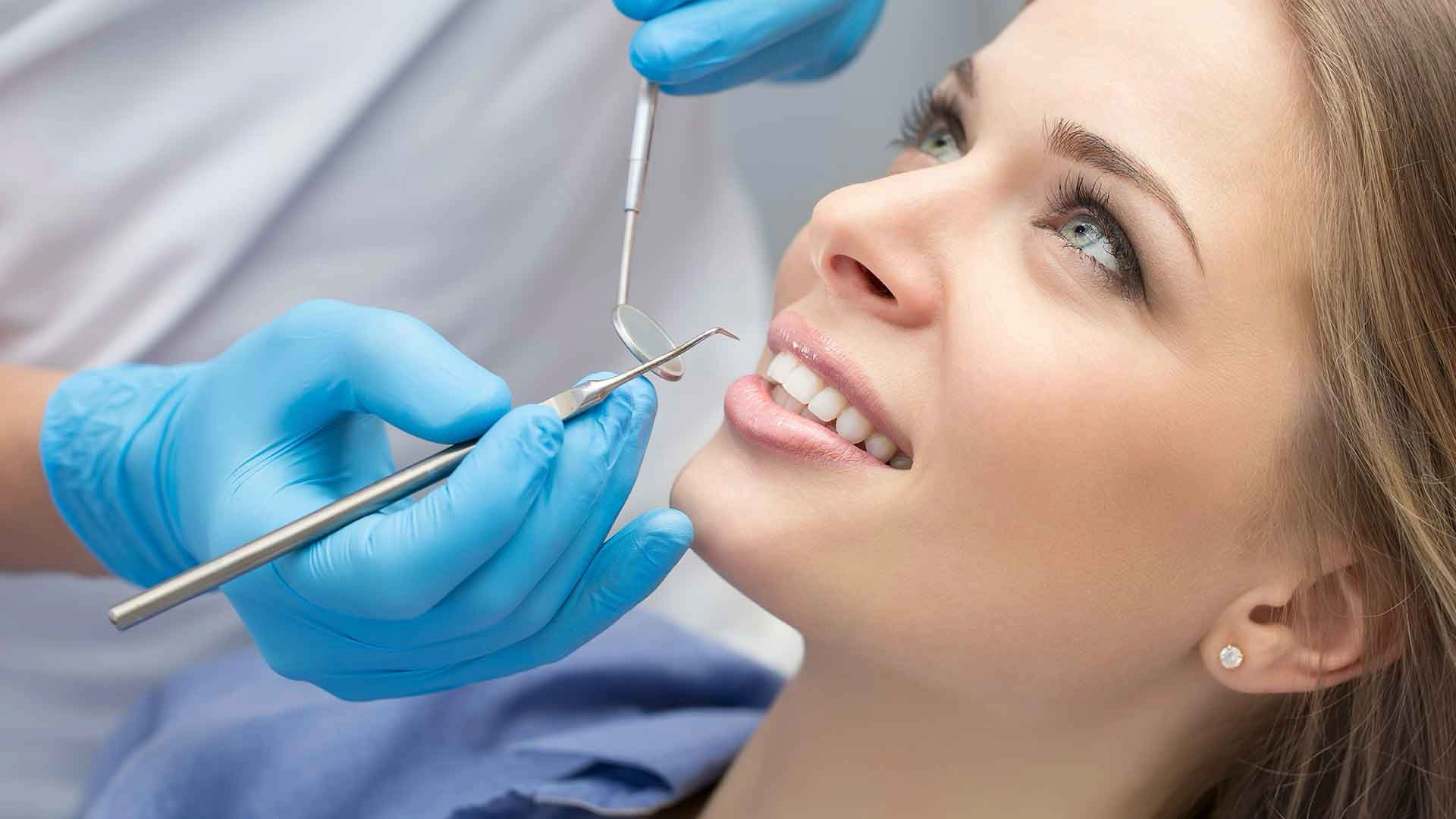
Taking care of your smile doesn’t stop when you leave the dental chair. After a professional teeth cleaning, your teeth and gums can be more sensitive than usual, which means your food choices matter more than you might think. The right diet can support healing, reduce discomfort, and help maintain that fresh, polished feeling for longer.
This guide explains exactly what to eat, what to avoid, and how to protect your oral health with smart after teeth cleaning care habits.
What Foods Are Safe to Eat After a Dental Cleaning?
Right after a cleaning, your teeth are at their cleanest, but they can also be slightly more vulnerable. Choosing gentle, non-irritating foods helps protect your enamel and gums.
Here are some safe options:
- Soft fruits like bananas, applesauce, or ripe mangoes
- Cooked vegetables such as carrots, squash, or spinach
- Dairy products like yogurt, cheese, and milk
- Scrambled or boiled eggs
- Oatmeal or other soft cereals
- Smoothies (avoid added sugar or highly acidic fruits)
These foods are easy to chew and are less likely to irritate sensitive areas. They also help maintain the benefits of your cleaning without introducing harsh textures or strong acids.
It’s also a good idea to choose lukewarm foods rather than anything extremely hot or cold. This reduces the chance of triggering sensitivity, especially if plaque removal exposed areas near the gumline.
Staying hydrated is equally important. Drinking water helps rinse away bacteria, keeps your mouth feeling fresh, and supports proper after teeth cleaning care.
How Long Should You Wait Before Eating After a Cleaning?
Timing matters more than most people realize. While you may feel ready to eat immediately after your appointment, giving your mouth a short break is generally recommended.
In most cases, you should wait:
- At least 30 minutes before eating
- 1–2 hours if you received a fluoride treatment
- Until the numbness wears off if a local anesthetic was used
Fluoride treatments are commonly applied during a teeth cleaning to strengthen enamel. Eating too soon may reduce their effectiveness, so waiting is worthwhile.
If your gums feel tender, allowing them time to settle before eating can also minimize discomfort. When you do begin eating, start with soft, mild foods instead of anything crunchy or highly seasoned.
Following these simple guidelines helps you get the most from your Teeth Cleaning Frisco, TX appointment while keeping your teeth protected after you leave the office.
What Foods Should You Avoid After Teeth Cleaning?
Knowing what to avoid is just as important as knowing what to eat. Certain foods can irritate your gums, stain your teeth, or reduce the benefits of your cleaning.
Avoid:
- Crunchy foods like chips, nuts, and popcorn
- Sticky foods such as caramel, candy, and chewing gum
- Acidic foods like citrus fruits and vinegar-based dishes
- Spicy foods that may irritate sensitive gums
- Sugary snacks that encourage bacterial growth
- Hard foods like ice or hard candy
These foods can cause discomfort or even minor irritation while your gums recover. Acidic and sugary foods are especially problematic because they can weaken enamel when it’s temporarily more vulnerable.
It’s also wise to avoid heavily pigmented foods such as berries and tomato-based sauces immediately after your cleaning, as freshly polished teeth may be more susceptible to staining.
Being mindful of these choices is an important part of effective after teeth cleaning care and helps preserve your clean, polished smile.
Can You Drink Coffee After a Dental Cleaning?
Coffee lovers often ask this question after their appointment. The short answer is yes, but timing is important.
Consider the following:
- Wait at least a few hours before drinking coffee.
- Avoid coffee entirely until your dentist says it’s okay if you’ve received a fluoride treatment.
- Choose iced or lukewarm coffee instead of very hot coffee.
- Rinse your mouth with water afterward.
After a teeth cleaning, your enamel may be slightly more porous for a short period. Drinking coffee too soon can increase the likelihood of staining because freshly polished teeth are temporarily more receptive to pigments.
Hot coffee may also trigger sensitivity if your gums are irritated. Cooler options are generally more comfortable.
If possible, waiting until the following day is ideal. If you do have coffee sooner, drinking through a straw and rinsing your mouth afterward can help reduce staining.
Is It Normal for Teeth to Feel Sensitive After Cleaning?
Yes. Mild sensitivity after a professional cleaning is completely normal, especially if it’s been a while since your previous visit.
Common causes include:
- Removal of plaque and tartar, exposing previously covered areas
- Minor gum irritation from scaling instruments
- Mild inflammation around the gumline
- Increased sensitivity to hot and cold temperatures
During a teeth cleaning, hardened tartar is removed from places your toothbrush cannot reach. While this is essential for maintaining oral health, it may temporarily expose more sensitive areas of your teeth. If sensitivity occurs alongside bleeding gums, persistent bad breath, or heavy tartar, these may also be signs you need teeth cleaning more regularly.
The good news is that this discomfort is usually mild and short-lived. Most patients notice improvement within a few days as their gums heal.
If your sensitivity becomes severe or lasts longer than a week, contact your dentist for an evaluation.
What Helps Reduce Sensitivity After a Cleaning?
Managing post-cleaning sensitivity is usually straightforward. A few simple adjustments can make your recovery more comfortable.
Try these tips:
- Use toothpaste formulated for sensitive teeth.
- Avoid extremely hot or cold foods and beverages.
- Eat soft foods for the first 24 hours.
- Brush gently using a soft-bristled toothbrush.
- Rinse with warm salt water to soothe irritated gums.
- Stay well hydrated.
A sensitivity toothpaste can help block nerve signals and reduce discomfort. Gentle brushing also keeps your teeth clean without aggravating tender gums.
Avoiding acidic or spicy foods during this time is another important part of proper after teeth cleaning care. Most discomfort resolves naturally within a day or two.
Final Thoughts
Taking a few extra precautions after your cleaning can make a significant difference. By choosing the right foods, avoiding irritants, and following good aftercare habits, you can extend the benefits of your professional cleaning and keep your smile healthier for longer.
If you’re wondering how regular teeth cleanings contribute to a lifetime of healthy smiles, maintaining proper aftercare is one of the simplest ways to maximize every visit.
Your Trusted Partner for Teeth Cleaning in Frisco, TX
At Aesthetic General Dentistry of Frisco, your comfort and long-term oral health come first. Their experienced team provides gentle teeth cleanings along with personalized guidance to help you maintain a healthy, beautiful smile between visits. If you’re searching for the best teeth cleaning dentist near me, choosing a dental team that combines preventive care with personalized aftercare guidance can make a meaningful difference. Schedule your next appointment today and experience compassionate, expert dental care tailored to your needs.