

Losing a tooth changes more than your smile.
At first, it might feel like a cosmetic issue. Maybe chewing feels a little different. Maybe you notice a gap when you talk or laugh. But beneath the surface, something more significant begins to happen.
Your jawbone starts to change.
If you’re considering dental implants, understanding how bone loss fits into the picture can help you make confident, informed decisions about your long-term oral health.
Let’s break it down in plain, real-world terms.
What Happens to the Jawbone After Tooth Loss Without Dental Implants?
Here’s something most people don’t realize: your jawbone depends on your teeth.
When you chew, your tooth roots stimulate the surrounding bone. That stimulation keeps the bone strong and healthy. Once a tooth is removed, that stimulation disappears.
Without a tooth root in place, the body begins to resorb, or break down, the unused bone. Over time, this can lead to:
- Shrinking of the jawbone
- Changes in facial structure
- Shifting of nearby teeth
- Increased risk of additional tooth loss
- A sunken or aged appearance
Bone loss can begin within months after tooth extraction. The longer a space remains untreated, the more bone may be lost.
That’s where dental implants come into the conversation.
How Does Bone Loss Affect the Success of Dental Implants?
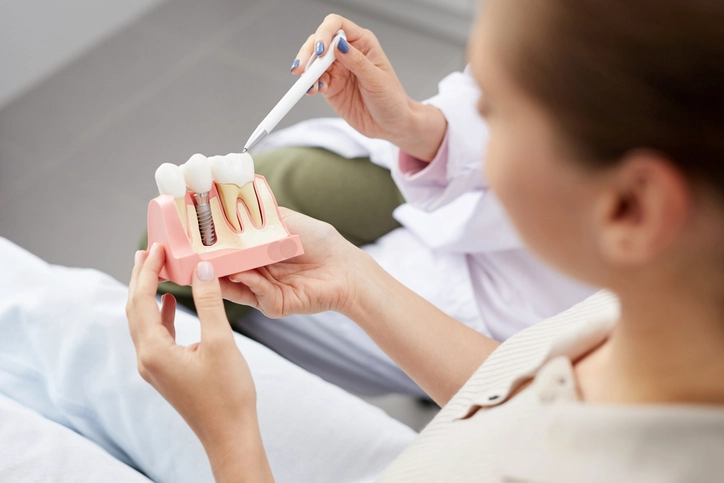
Dental implants rely on healthy bone for stability. The implant post is placed into the jawbone, where it fuses through a process called osseointegration.
If there isn’t enough bone density or volume, the implant may not have adequate support. Inadequate bone can lead to:
- Difficulty placing the implant securely
- Increased healing time
- Higher risk of implant failure
Think of it like installing a fence post. If the ground is firm and solid, the post stands strong. If the soil is loose and shallow, stability becomes an issue.
The good news? Bone loss doesn’t automatically disqualify you from getting implants. It just means your dentist may need to take additional steps to rebuild the foundation.
Can Dental Implants Prevent Further Bone Loss in the Jaw?
Now for the encouraging part.
One of the biggest advantages of implants is their ability to act like natural tooth roots.
Patients often ask: Can dental implants prevent further bone loss in the jaw?
Yes, they can.
Because dental implants integrate with the jawbone, they restore the stimulation that natural teeth once provided. When you chew, that pressure transfers to the bone, helping maintain its density.
Unlike dentures or bridges, which sit on top of the gums, implants support the bone from within.
Over time, this helps:
- Preserve jawbone structure
- Maintain facial shape
- Prevent additional bone deterioration
- Improve long-term oral stability
In other words, implants don’t just replace teeth. They help protect the foundation underneath.
Are Bone Grafts Necessary Before Getting Dental Implants if Bone Loss Has Occurred?
In some cases, yes.
If bone loss has already happened, you might wonder what comes next.
A bone graft is a procedure that rebuilds or strengthens the jawbone in areas where density has decreased. This creates a more stable base for the implant.
Your dentist may recommend a bone graft if:
- The jawbone is too thin
- There isn’t enough height in the bone
- Significant resorption has occurred
- You’ve had missing teeth for a long time
Bone grafting sounds intimidating, but it’s a routine procedure in implant dentistry. It allows many patients who were previously told they weren’t candidates to successfully receive implants.
Healing time varies, but once the graft integrates, implant placement can move forward safely.
What Changes After You Get Dental Implants
When implants are placed successfully, several positive changes happen.
You’ll likely notice:
- Improved chewing strength
- Enhanced speech clarity
- Increased confidence
- Stable surrounding teeth
- Preservation of jaw structure
Most importantly, implants feel natural. Because they fuse with your bone, they become a permanent part of your oral structure.
Unlike removable options, there’s no slipping or clicking. Just stability.
Why Timing Matters
If you’ve recently lost a tooth, acting sooner rather than later can make the process easier.
Early implant placement can:
- Reduce the amount of bone loss
- Minimize the need for grafting
- Simplify treatment
- Shorten overall recovery time
That said, even if years have passed, solutions are often still available. Modern implant dentistry has come a long way.
The Big Picture
Tooth loss is not just about appearance. At Aesthetic General Dentistry of Frisco, we look beyond the visible gap and focus on how missing teeth affect the jawbone and overall facial structure.
Dental implants do more than restore function. They stimulate the jawbone in a way that mimics natural tooth roots, helping prevent further bone loss. If the bone has already weakened, we can perform grafting procedures to strengthen the area and prepare it for successful implant placement.
We recommend beginning with a thorough evaluation. Using advanced imaging and a customized treatment approach, we help you understand exactly what your smile needs.
A confident smile starts with a healthy foundation. By caring for both your teeth and jawbone, we support long-term comfort, strength, and peace of mind.