

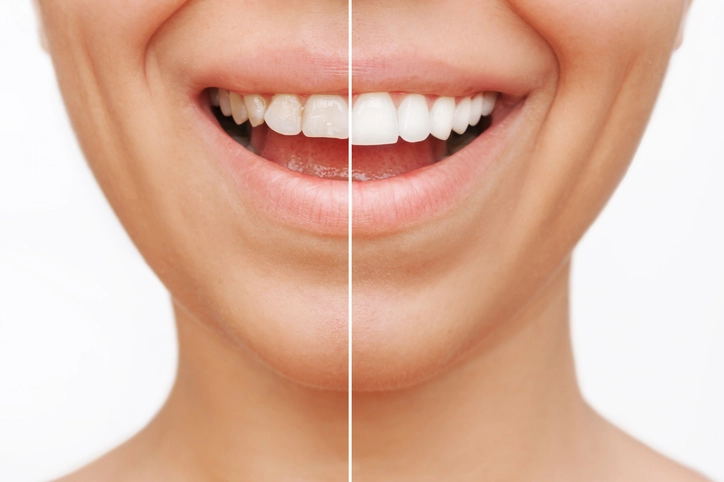
Dental veneers can last for many years, but there is no single lifespan that applies to every patient. Porcelain veneers often last longer than composite veneers, while factors such as oral hygiene, bite forces, teeth grinding, diet, and everyday habits can all influence how well they hold up over time.
Veneers are durable restorations, but they are not permanent. At Aesthetic General Dentistry, we encourage patients to think about longevity as a combination of material quality, proper treatment planning, daily care, and regular dental monitoring. Understanding what can shorten or extend the life of veneers can help you protect your investment and recognize when a restoration may need attention.
How Long Do Veneers Usually Last?
The lifespan of veneers varies considerably depending on their material and how they are cared for.
Porcelain veneers commonly remain functional and attractive for approximately 10 to 15 years or longer in many patients, while composite veneers may need repair or replacement sooner, often within several years.
These are general ranges rather than guarantees.
Some veneers remain in excellent condition well beyond typical estimates. Others may need earlier attention because of:
- Chipping
- Cracking
- Gum recession
- Tooth decay
- Bond failure
- Teeth grinding
- Bite changes
- Trauma
- Surface staining
- Wear
The health of the tooth underneath also matters.
Even if the veneer itself remains intact, changes to the supporting tooth or gumline may eventually make repair or replacement necessary.
Veneers Are Not Considered Permanent for Life
Once a tooth has been prepared for a traditional veneer, it will generally continue to need some form of restoration in the future.
That means patients should expect that replacement may eventually become part of long-term dental care.
The goal is to keep the existing veneers healthy and functional for as long as reasonably possible.
Does Veneer Material Affect Lifespan?
Yes. The material used to create the veneer is one of the biggest factors affecting durability.
The two main categories are porcelain and composite resin.
Porcelain Veneers
Porcelain veneers are made from strong ceramic materials designed to provide a natural-looking tooth surface.
They are generally:
- Highly stain resistant
- Resistant to normal wear
- Strong under everyday chewing forces
- Able to maintain their surface finish for many years
Porcelain is durable, but it can still chip or fracture under excessive force.
Biting hard objects, grinding, or trauma can damage even a well-made veneer.
Composite Veneers
Composite veneers are made from tooth-colored resin material placed and shaped directly or indirectly.
They can provide attractive cosmetic results, but the material is generally more susceptible to:
- Staining
- Surface wear
- Chipping
- Loss of polish
- Small fractures
One advantage is that composite may sometimes be easier to repair than porcelain.
Material Is Only Part of the Picture
A high-quality veneer can still fail earlier than expected if the tooth underneath develops decay or the patient places excessive force on the restoration.
Likewise, good home care and appropriate bite management can help both porcelain and composite restorations perform well.
What Factors Can Shorten the Life of Veneers?
Several factors can increase wear or create problems around a veneer.
Poor Oral Hygiene
Veneers themselves cannot develop cavities, but the natural tooth underneath and around the edges can.
Plaque accumulation near the veneer margin can contribute to:
- Tooth decay
- Gum inflammation
- Gum recession
- Changes in how the restoration fits
Keeping the gumline clean is an important part of protecting the restoration.
Teeth Grinding
Grinding or clenching can place repeated heavy forces on veneers.
Over time, this may contribute to:
- Small chips
- Cracks
- Bond failure
- Wear
- Damage to neighboring teeth
Biting Hard Objects
Veneers are intended to function during normal eating.
They are not designed for biting:
- Ice
- Pens
- Fingernails
- Packaging
- Hard candy
- Bones
- Other nonfood objects
These habits can place unnecessary concentrated force on the restoration.
Trauma
A fall, sports injury, or blow to the mouth can damage veneers just as it can damage natural teeth.
Bite Problems
If one veneer receives more pressure than surrounding teeth, it may wear or fracture prematurely.
That is one reason bite evaluation is important when veneers are placed and during future dental visits.
Gum Recession
The gums can change over time.
If the gumline recedes, the edge of the veneer or natural tooth may become more visible.
The veneer may still be structurally sound, but the cosmetic result can change enough that replacement is eventually considered.
How Do Daily Habits Affect Veneer Durability?
Everyday habits can have a significant influence on how long veneers remain in good condition.
How You Bite Matters
Using your front teeth to tear packaging or bite very hard foods creates forces that can damage both veneers and natural enamel.
Cutting harder foods into smaller pieces can sometimes reduce stress.
For example, rather than biting directly into an extremely hard raw vegetable, slicing it first may be easier on restorations.
Frequent Snacking Can Affect the Supporting Teeth
Veneers may resist decay, but the natural tooth around them does not.
Frequently consuming sugary foods or beverages can contribute to cavity risk, especially around restoration margins.
Smoking and Tobacco Use
Tobacco can affect the appearance of the gums and surrounding natural teeth.
It also increases the risk of gum disease, which may change the tissues surrounding veneers over time.
Nail Biting
Nail biting places repeated pressure on the front teeth.
That stress can contribute to veneer chipping or wear.
Opening Objects With Your Teeth
Teeth should not be used to open bags, bottles, packages, or other objects.
This is one of the easiest preventable causes of restoration damage.
Can Teeth Grinding Damage Veneers?
Yes. Grinding and clenching can shorten the lifespan of veneers by repeatedly exposing them to forces greater than normal chewing.
This condition is often called bruxism.
Some patients grind while sleeping and may not realize it.
Possible signs include:
- Worn tooth surfaces
- Chipped restorations
- Morning jaw soreness
- Headaches
- Tooth sensitivity
- Muscle tenderness
- Cracks in teeth or restorations
Why Grinding Is a Concern With Veneers
Repeated pressure can stress the bond between a veneer and the tooth.
It may also cause small fractures in the ceramic or composite material.
Even if a veneer does not break immediately, years of grinding can increase cumulative wear.
Can a Night Guard Help?
A custom night guard may be recommended for some patients who grind or clench.
The appliance can help manage forces and protect both natural teeth and restorations.
However, not every patient needs one.
A dentist should first evaluate the bite, symptoms, tooth wear, and existing dental work.
How Should You Clean and Care for Veneers?
Veneers should generally be cared for much like natural teeth.
Consistent home care helps protect the gumline and the natural tooth around the restoration.
Brush Twice Daily
Use a soft-bristled toothbrush and fluoride toothpaste.
Gentle brushing around the gumline helps remove plaque without unnecessarily irritating the gums.
Clean Between the Teeth
Floss or use another interdental cleaning method every day.
Plaque can accumulate between veneers just as it can between natural teeth.
Depending on your dental work, your dentist may recommend:
- Traditional floss
- Interdental brushes
- Water flossers
- Other cleaning aids
Choose Toothpaste Carefully
Some highly abrasive whitening toothpastes can dull the surface of certain restorative materials over time.
Ask your dental team which products are appropriate for your veneers.

Keep Regular Dental Visits
Professional examinations allow the dentist to evaluate:
- Veneer margins
- Gum health
- Bite
- Chipping
- Cracks
- Decay
- Surface wear
- Changes in surrounding teeth
Professional cleanings can also remove plaque and tartar that home care does not fully eliminate.
What Foods and Habits Should You Be Careful With?
Most patients with veneers do not need to follow a permanently restrictive diet.
The goal is simply to avoid unnecessary force and treat the restorations sensibly.
Be Careful With Very Hard Foods
Examples include:
- Ice
- Hard candy
- Popcorn kernels
- Hard nuts
- Bones
- Fruit pits
The concern is usually not the food category itself but biting onto something extremely hard with concentrated force.
Cut Difficult Foods Into Smaller Pieces
Foods such as apples, raw carrots, or crusty bread do not necessarily have to be avoided.
Cutting them into smaller pieces can reduce the need to bite forcefully with veneered front teeth.
Avoid Chewing Nonfood Objects
Do not chew:
- Pens
- Pencils
- Fingernails
- Plastic
- Packaging
Repeated nonfood chewing can damage veneers and natural teeth.
Limit Staining Habits
Porcelain is generally resistant to staining, but surrounding natural teeth can still change color.
Composite veneers may also discolor more readily.
Frequent exposure to:
- Coffee
- Tea
- Red wine
- Tobacco
- Strongly colored foods
can affect the overall appearance of the smile over time.
Rinsing with water after dark beverages and maintaining good hygiene can help.
What Are the Signs That Veneers Need Replacement?
Veneers do not always fail suddenly.
Sometimes changes develop gradually.
Signs that a veneer may need professional evaluation include:
- Chipping
- Visible cracks
- Looseness
- A veneer that has fallen off
- Rough edges
- Significant discoloration
- Staining around the margin
- Gum recession exposing the edge
- New sensitivity
- Pain while biting
- Changes in the fit or appearance
- Decay around the restoration
Cosmetic Changes May Also Lead to Replacement
A veneer may still function but no longer match surrounding teeth.
For example, natural teeth may change color while porcelain veneers remain relatively stable.
Changes in gum position can also alter the symmetry of the smile.
Whether replacement is worthwhile depends on the condition of the veneer and the patient’s cosmetic goals.
A Loose Veneer Should Be Checked Promptly
Do not continue chewing normally if a veneer feels loose.
Repeated pressure could damage the veneer or supporting tooth.
If the restoration comes off, save it and contact your dentist rather than attempting to permanently glue it back yourself.
Can Damaged Veneers Be Repaired?
Sometimes.
Whether repair is possible depends on the material, location, and extent of the damage.
Composite Veneers
Composite restorations can often be repaired more easily.
A dentist may be able to add or reshape composite material when there is:
- A small chip
- Minor wear
- Localized staining
- A small surface defect
Porcelain Veneers
Small porcelain defects may sometimes be managed conservatively, but significant fractures often require replacement.
Because porcelain is fabricated as one restoration, repairing large areas can be less predictable than repairing composite.
A Veneer That Comes Off May Sometimes Be Rebonded
If an intact veneer becomes detached and both the restoration and tooth remain suitable, rebonding may sometimes be possible.
The dentist needs to determine why it came off first.
Possible underlying issues include:
- Bond failure
- Tooth decay
- Bite stress
- Damage to the veneer
- Changes in the supporting tooth
Simply rebonding without addressing the cause could lead to another failure.
How Can You Help Veneers Last as Long as Possible?
Veneer longevity depends partly on factors outside your control, but several habits can reduce avoidable stress and help protect the restorations.
Maintain Excellent Oral Hygiene
Brush twice daily and clean between your teeth every day.
Healthy gums and decay-free supporting teeth create a better foundation for veneers.
Avoid Excessive Force
Do not use veneered teeth to:
- Chew ice
- Open packaging
- Bite fingernails
- Crack hard objects
- Hold tools or other items
Manage Grinding or Clenching
If you grind, discuss it with your dentist.
A protective night guard or another strategy may be appropriate.
Wear Protection During Sports
A properly fitted athletic mouthguard can help reduce the risk of damage during contact or impact sports.
Maintain Regular Dental Care
Routine dental appointments give the dental team an opportunity to identify small changes before they become larger problems.
A minor bite adjustment, small composite repair, or hygiene improvement may sometimes help prevent further damage.
Keep the Supporting Teeth Healthy
The veneer is only one part of the restoration.
The natural tooth underneath needs to remain healthy.
Reducing cavity risk through fluoride use, good hygiene, balanced eating habits, and professional dental care can help preserve the foundation supporting the veneer.
Address Problems Early
A small chip, loose edge, or new sensitivity should not simply be ignored.
Early evaluation may provide more conservative treatment options than waiting until the restoration suffers greater damage.
Veneer Longevity Depends on More Than the Material
There is no exact expiration date for a dental veneer.
Porcelain veneers often provide many years of service and generally offer greater resistance to staining and surface wear than composite. Composite veneers may require more frequent polishing, repair, or replacement, but they can also be easier to modify when smaller problems develop.
At Aesthetic General Dentistry, we look at veneer longevity in the context of the entire smile. The condition of the supporting teeth, gum health, bite, grinding habits, diet, oral hygiene, and existing dental work all influence how restorations perform.
The best approach is to treat veneers as durable dental restorations rather than permanent, maintenance-free surfaces.
Brush and clean between them daily, avoid using your teeth as tools, address grinding when appropriate, and keep up with professional examinations and cleanings.
If a veneer begins to chip, loosen, discolor, feel rough, or look different around the gumline, schedule an evaluation. The restoration may only need monitoring or a small repair, while more significant changes could make replacement the better option.
FAQs
How many years do porcelain veneers last?
Porcelain veneers often last around 10 to 15 years or longer, but longevity varies. Bite forces, oral hygiene, grinding, trauma, and the condition of the supporting tooth all affect how long an individual veneer lasts.
How long do composite veneers last?
Composite veneers generally have a shorter lifespan than porcelain and may require repair or replacement within several years. Their longevity depends on wear, staining, bite forces, and daily care.
Do veneers last forever?
No. Veneers are durable but not permanent for life. Most patients should expect that repair or replacement may eventually be necessary.
Do veneers get cavities?
The veneer material itself cannot decay, but the natural tooth underneath and around the margins can still develop cavities.
Can veneers fall off?
Yes, although they should remain securely bonded under normal conditions. Bond failure, decay, bite stress, grinding, or trauma can sometimes cause a veneer to loosen or detach.
Can I eat normally with veneers?
Generally, yes. Most patients can maintain a normal diet. It is still wise to avoid unnecessary stress from chewing ice, hard objects, or using teeth as tools.
Does coffee stain veneers?
Porcelain veneers are relatively stain resistant. Composite veneers may stain more readily, and natural teeth around either type of veneer can still change color.
Will grinding shorten the life of my veneers?
It can. Grinding and clenching expose veneers to repeated heavy forces that may contribute to chips, cracks, wear, or bond failure.
Can old veneers be polished instead of replaced?
Sometimes. Professional polishing may improve surface staining or dullness, particularly with composite veneers. Cracked, loose, poorly fitting, or significantly discolored veneers may require other treatment.
When should I have a veneer checked?
Schedule an evaluation if you notice chipping, movement, pain, sensitivity, rough edges, staining around the margin, gum recession, or a change in how the veneer looks or feels.