


Dental fillings help restore teeth damaged by cavities, minor fractures, or everyday wear. Although they are designed to withstand regular chewing, fillings are not permanent. Over time, the materials can wear down, develop cracks, or lose their seal against the surrounding tooth.
Quick Answer: Dental fillings often last between 5 and 15 years, although some remain functional for much longer. Their lifespan depends on the filling material, size, location, chewing pressure, oral hygiene, and habits such as teeth grinding. A filling does not automatically need replacement because it reaches a certain age. Its condition matters more than the number of years it has been in place.
Understanding what affects filling durability can help patients recognize potential problems early and protect their natural teeth. Regular dental examinations also allow dentists to monitor older restorations before minor damage develops into a more complicated concern.
How Long Do Dental Fillings Usually Last?
Most dental fillings can remain functional for several years, but there is no universal expiration date. Some may need attention after five years, while others continue working well for 15 years or longer.
A filling’s lifespan depends partly on how much natural tooth structure remains around it. Smaller fillings surrounded by healthy enamel generally experience less stress than large restorations replacing a significant portion of a tooth.
Location also makes a difference. Fillings in back molars must tolerate considerable chewing pressure, especially when eating firm or crunchy foods. Front teeth usually experience different forces, although biting directly into hard objects can still damage their restorations.
Another important consideration is the condition of the surrounding tooth. Even when the filling material remains intact, decay can develop along its edges. This may weaken the connection between the filling and the tooth.
Dentists therefore evaluate fillings based on their physical condition rather than age alone.
An older filling with a secure seal, stable edges, and no surrounding decay may not require treatment. Conversely, a relatively new filling may need repair if it becomes chipped, loose, or damaged.
Does Filling Material Affect Lifespan?
Yes. Different dental filling materials have different physical properties, including resistance to chewing pressure, wear, and fractures.
While certain materials have historically demonstrated greater durability, modern restorative techniques have improved the performance of several tooth-colored options.
Composite Resin Fillings
Composite resin fillings are made from tooth-colored materials that bond to the natural tooth.
They are commonly used for small to moderate cavities and can provide a natural appearance because their shade can be matched to surrounding teeth.
Composite fillings are often estimated to last approximately 5 to 10 years, although many remain functional considerably longer.
Their longevity depends heavily on the size of the restoration, its placement, the quality of the surrounding tooth structure, and the amount of chewing pressure it experiences.
Over time, composite fillings may develop surface wear, staining, or small chips.
Amalgam Fillings
Amalgam fillings, commonly called silver fillings, are made from a combination of metals.
They have a long history of use in dentistry and are known for their durability, particularly in back teeth exposed to substantial chewing forces.
Many amalgam fillings last 10 to 15 years or longer. Some remain functional for several decades.
However, the surrounding tooth may develop fractures, and deterioration can occur at the edges of older restorations.
A filling’s metallic appearance or age alone does not necessarily indicate that replacement is required.
Glass Ionomer Fillings
Glass ionomer fillings are tooth-colored restorations that release fluoride, which may help protect nearby tooth structure.
They are often used in areas exposed to relatively low chewing pressure, such as certain cavities near the gumline.
These fillings generally have a shorter lifespan than stronger restorative materials when subjected to heavy chewing forces.
Their suitability depends on the location and purpose of the restoration.
Ceramic and Gold Restorations
Ceramic and gold can be used for indirect restorations, including inlays and onlays.
Unlike conventional fillings placed directly into a prepared tooth, these restorations are manufactured to fit a specific area.
Well-maintained ceramic and gold restorations can sometimes last 10 to 20 years or longer.
However, their lifespan still depends on tooth preparation, material thickness, chewing forces, and long-term maintenance.
The most durable filling is not necessarily the same material for every patient. A dentist considers the size and location of the damaged area, the condition of the tooth, and the patient’s bite before recommending a restoration.
What Factors Can Make a Filling Wear Out Faster?
Several factors influence how quickly a dental filling deteriorates.
Some involve the filling itself, while others relate to daily habits and the condition of the surrounding tooth.
Filling size: Larger restorations replace more natural tooth structure and may experience greater stress during chewing. Teeth with extensive fillings can also be more vulnerable to fractures.
Tooth location: Molars and premolars handle substantial chewing forces. Fillings in these teeth may experience more mechanical wear than restorations in less heavily loaded areas.
Bite alignment: When teeth do not contact evenly, certain restorations may receive excessive pressure during chewing or clenching.
Oral hygiene: Plaque accumulation around a filling can contribute to new decay along its margins, potentially weakening the restoration.
Dry mouth: Saliva helps protect teeth by washing away food particles and neutralizing acids. Reduced saliva may increase the risk of decay around existing fillings.
Repeated dental repairs: A tooth that has undergone several restorative procedures may have less remaining natural structure, making future treatment decisions more complicated.
These factors often interact. For example, a large filling in a back molar may experience additional stress when a patient regularly clenches their teeth.
Recognizing these risks allows dentists to recommend appropriate preventive care.
Can Teeth Grinding Damage Dental Fillings?
Teeth grinding, also called bruxism, can shorten the lifespan of dental fillings.
Bruxism occurs when a person repeatedly grinds or clenches their teeth, often during sleep. Some individuals also clench their jaws while concentrating, exercising, or experiencing stress.
These activities generate forces that can place significant pressure on both natural teeth and dental restorations.
Over time, excessive pressure may contribute to:
- Chipped or fractured fillings
- Flattened chewing surfaces
- Cracks in the surrounding tooth
- Increased sensitivity when biting
- Repeated damage to restorations in the same area
Patients who grind their teeth may notice jaw soreness in the morning, headaches, or unusual tooth wear. However, grinding can also occur without obvious symptoms.
A dentist can examine the teeth for signs of excessive wear and assess whether grinding may be affecting existing restorations.
For certain patients, a custom-made night guard may help protect teeth and fillings from the forces associated with sleep-related grinding.
A night guard does not necessarily stop bruxism, but it can provide a protective barrier between the upper and lower teeth.
How Do Diet and Chewing Habits Affect Fillings?
Everyday eating habits can influence the condition of dental fillings.
Normal chewing is expected and should not damage a properly functioning restoration. However, repeated exposure to unusually high forces can increase the likelihood of problems.
Chewing ice, hard candy, or unpopped popcorn kernels can place sudden pressure on a filling. These forces may cause small fractures in the restoration or the surrounding tooth.
Using teeth to open packaging or bite nonfood objects can create similar risks.
Sticky foods may also place pulling forces on loose or weakened fillings, potentially causing them to become dislodged.
Diet affects fillings in another way: the development of new tooth decay.
Frequent consumption of sugary foods and drinks provides fuel for oral bacteria that produce acids. These acids can weaken tooth enamel, including the natural tooth structure around a filling.
Acidic drinks may also contribute to enamel erosion, making the surrounding tooth more vulnerable over time.
Patients do not need to avoid every crunchy or chewy food simply because they have fillings. Instead, they should avoid using their teeth for activities that create unnecessary stress.
Maintaining balanced eating habits and limiting frequent sugary snacks can also help protect the edges of existing restorations.
What Are the Signs a Filling Is Failing?
A damaged filling does not always cause immediate pain.
In some cases, a filling gradually loses its seal, develops a small crack, or begins separating from the natural tooth without noticeable symptoms.
Other patients experience clear warning signs that something has changed.
New Sensitivity to Hot or Cold
A tooth with a deteriorating filling may become sensitive when exposed to cold drinks, hot foods, or sweets.
Sensitivity can occur when the surrounding tooth structure becomes exposed or when decay develops near the restoration.
However, sensitivity does not automatically mean a filling is failing. Other dental conditions can produce similar symptoms.
Pain When Biting or Chewing
A sharp sensation when biting down may indicate a fractured filling, a crack in the tooth, or excessive pressure on a particular area.
Pain that occurs when releasing biting pressure can sometimes be associated with a cracked tooth.
These symptoms warrant dental evaluation.
A Rough, Chipped, or Uneven Surface
Patients may notice that a previously smooth filling suddenly feels rough or sharp when touched with the tongue.
A small chip may seem insignificant, but it can create an area where food and plaque accumulate.
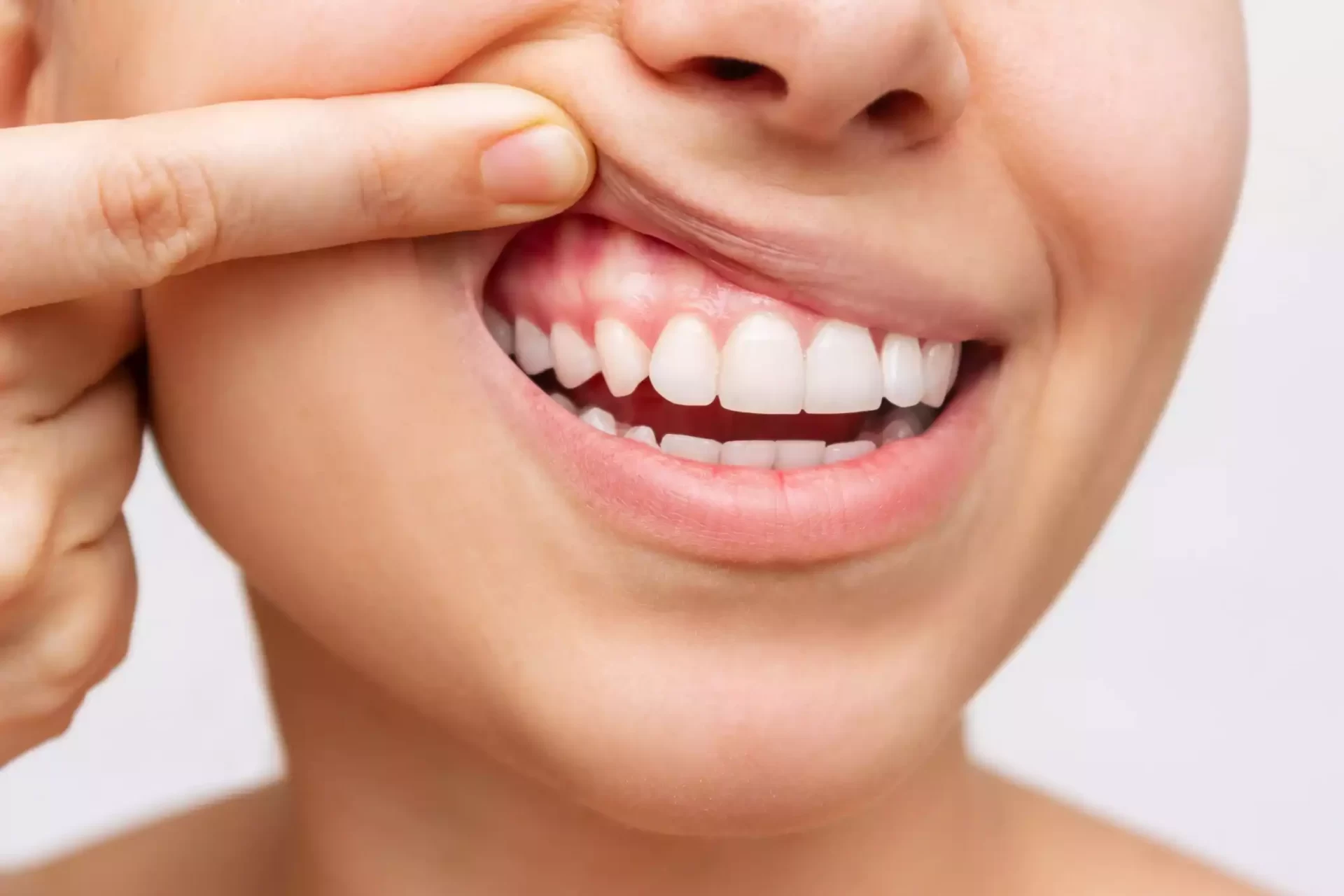
Food Getting Stuck Around a Filling
If food repeatedly becomes trapped between the same teeth, the shape or contact point of a restoration may have changed.
A worn or damaged edge may create a space that makes cleaning more difficult.
Visible Cracks or Dark Areas
Cracks, gaps, or changes around the margins of a filling may indicate deterioration.
However, discoloration alone does not confirm decay or filling failure. Some older restorations develop staining without losing their function.
A dentist must examine the area to determine whether treatment is necessary.
A Filling Feels Loose or Falls Out
A loose or missing filling should be assessed promptly.
Once the restoration is no longer securely attached, the exposed tooth may become vulnerable to sensitivity, additional decay, or fracture.
Important: Severe or persistent tooth pain, facial swelling, fever, or signs of infection require urgent dental evaluation. Difficulty breathing or swallowing associated with swelling requires emergency medical attention.
Can a Cracked or Loose Filling Be Repaired?
Not every damaged filling needs complete replacement.
In certain situations, a dentist may be able to repair a small defect while preserving most of the existing restoration.
For example, a minor chip in a composite filling may sometimes be repaired by adding new restorative material after properly preparing the damaged area.
Small areas of wear or irregularity may also be polished or adjusted when clinically appropriate.
Whether a repair is possible depends on several factors:
- The location and extent of the damage
- The type of filling material
- Whether decay is present around or underneath the restoration
- The condition of the remaining natural tooth
- Whether the existing filling is securely attached
A filling that has become significantly loose, fractured extensively, or developed substantial decay around its edges may require replacement.
If the tooth itself has cracked, additional treatment may be necessary.
Repairing a suitable restoration can sometimes preserve more healthy tooth structure than removing the entire filling.
However, the decision should be based on a clinical examination rather than appearance alone.
If a filling falls out, patients should avoid chewing on the affected side and arrange a dental appointment. They should not attempt to reattach the restoration with household glue or other adhesives.
When Does a Tooth Need a Crown Instead of Another Filling?
A filling is generally suitable when enough healthy tooth structure remains to support the restoration.
However, a tooth that has lost a substantial amount of its natural structure may not be strong enough for another conventional filling.
This can happen when a large existing restoration fails, extensive decay develops, or part of the tooth fractures.
A dentist may consider a dental crown when:
- A significant portion of the tooth is missing
- Large sections of the chewing surface are weakened
- One or more tooth cusps have fractured
- A crack threatens the structural stability of the tooth
- Repeated filling failures suggest the tooth needs greater protection
A crown covers the prepared tooth and helps restore its shape, strength, and chewing function.
However, not every large filling needs to be replaced with a crown.
Some teeth may be suitable for an inlay, onlay, or another conservative restoration that preserves more natural tooth structure.
The appropriate option depends on the extent of damage, the location of the tooth, and the forces it must withstand.
The goal is to preserve as much healthy tooth structure as possible while providing a restoration capable of functioning reliably.
How Can You Help Dental Fillings Last Longer?
Although no filling can be guaranteed to last indefinitely, consistent oral care can help reduce preventable problems.
Patients can protect their restorations by following several practical habits.
Brush With Fluoride Toothpaste
Brush twice daily using a soft-bristled toothbrush and fluoride toothpaste.
Fluoride helps strengthen the natural tooth structure surrounding restorations and supports protection against cavities.
Clean Between Teeth Daily
Dental floss or another dentist-recommended interdental cleaner helps remove plaque and trapped food from areas a toothbrush cannot easily reach.
Cleaning around filling margins is particularly important because new decay can develop along these edges.
Avoid Excessive Chewing Pressure
Avoid chewing ice, biting very hard objects, or using teeth to open packaging.
Patients who frequently clench or grind their teeth should discuss protective options with their dentist.
Limit Frequent Sugary Snacks and Drinks
Reducing repeated sugar exposure helps lower the risk of new cavities.
Drinking water throughout the day can also help rinse away food debris and support a healthier oral environment.
Do Not Ignore Changes in Your Bite
A filling that suddenly feels too high, uneven, or uncomfortable when chewing should be evaluated.
Changes in how the teeth come together can place additional pressure on a restoration.
Attend Regular Dental Examinations
A dentist can identify wear, fractures, and developing decay before they become more extensive.
These examinations are important even when fillings feel completely normal.
Small changes may not produce symptoms until surrounding tooth structure has already been affected.
When Should a Dentist Check an Older Filling?
Older dental fillings should be examined during routine dental visits, even when patients have no discomfort.
A filling that has been in place for 10 or 15 years does not automatically need replacement. However, regular assessment helps determine whether it remains functional.
During an examination, a dentist may evaluate the filling’s surface, edges, surrounding tooth structure, and contact with nearby teeth.
Dental X-rays may also be recommended when there is a clinical reason to check for decay or other problems that are difficult to identify during a visual examination.
Patients should schedule an earlier evaluation if they notice new sensitivity, chewing discomfort, food trapping, or visible damage.
A sudden change is often more important than the filling’s age.
For example, a 15-year-old filling that remains secure and free of decay may continue functioning without treatment. A five-year-old filling that has fractured may require attention sooner.
The key is identifying problems based on clinical findings instead of replacing restorations automatically after a certain number of years.
Protect Your Dental Fillings With Regular Care
Dental fillings can provide years of reliable service when they are properly maintained and supported by healthy surrounding tooth structure.
However, normal wear, chewing pressure, teeth grinding, and new decay can affect their long-term durability.
Patients who understand the warning signs of filling deterioration are better prepared to seek care before a minor issue becomes more serious.
At Aesthetic General Dentistry, the focus is on helping patients maintain healthy teeth and existing restorations through regular examinations and personalized dental care.
Whether a filling is relatively new or has been in place for many years, a professional evaluation can help determine whether it remains in good condition.
Schedule a dental examination with Aesthetic General Dentistry if an older filling feels uncomfortable, appears damaged, or has not been evaluated recently.
FAQs
1. Can a dental filling last 20 years?
Yes. Some dental fillings remain functional for 20 years or longer, particularly when the material is durable, the surrounding tooth remains healthy, and the restoration is not exposed to excessive chewing pressure.
However, longevity varies considerably. A filling that has lasted 20 years should still be examined regularly for signs of wear, cracks, or decay around its edges.
2. Do dental fillings need to be replaced every 10 years?
No. Dental fillings do not have a mandatory replacement schedule.
Although certain materials are commonly associated with lifespan estimates around five to 15 years, those figures are not expiration dates.
A dentist generally recommends repair or replacement when there is a clinical reason, such as a fracture, looseness, recurrent decay, or significant deterioration.
3. Can a filling go bad without causing pain?
Yes. A filling may develop small cracks, worn edges, or decay around its margins without producing immediate discomfort.
Some patients notice food trapping, roughness, or changes in the filling’s appearance before experiencing sensitivity.
Routine dental examinations help detect these problems even when the tooth feels normal.
4. Is it normal for an old filling to become sensitive?
New sensitivity around an older filling can occur, but it should not automatically be considered normal aging.
Possible causes include exposed tooth structure, decay around the filling, a crack, gum recession, or another dental problem.
Sensitivity that persists, worsens, or occurs when biting should be evaluated by a dentist.
5. Is replacing a dental filling painful?
Dental filling replacement is usually performed with local anesthesia when needed to keep the patient comfortable.
The experience depends on the size of the restoration, whether decay is present, and how much tooth structure requires treatment.
Some temporary sensitivity may occur afterward. Patients should contact their dentist if pain becomes severe, persists, or worsens instead of improving.