
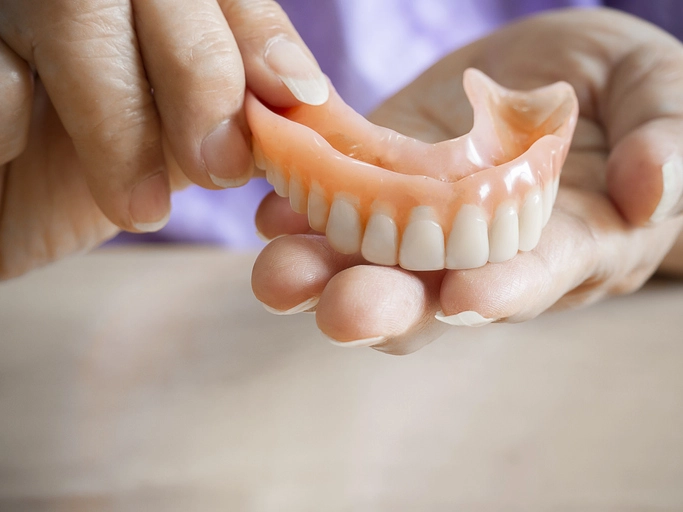
Dentures have come a long way from the bulky, one-size-fits-all prosthetics people often imagine. Modern dentistry has entered an era where innovation, personalization, and technology work together to create dentures that look natural, feel comfortable, and perform far better than earlier versions. Modern dentures for replacing missing teeth now offer patients more customized options for restoring function and appearance.
Today’s dentures are not just replacements for missing teeth. They are carefully crafted solutions tailored to each patient’s facial structure, lifestyle needs, and long-term oral health.
Personalized dentures represent a shift in the way restorative dentistry approaches tooth replacement. Instead of shaping dentures to fit the gums alone, new design methods incorporate digital imaging, precise measurements, functional analysis, and advanced materials to create a prosthetic that feels like an extension of the patient.
As technology continues to evolve, dentures are being reinvented to match modern expectations for comfort, aesthetics, and confidence.
How is Modern Technology Changing the Way Dentures are Designed?
Modern technology has transformed nearly every step of the denture design and fabrication process. The days of messy impressions and trial-and-error fitting sessions are fading. Instead, digital tools allow dentists to map the mouth with exact detail, capturing the shape of the gums, the contours of the bone, and how the muscles move during speaking, chewing, and resting.
One of the biggest innovations reshaping denture design is digital scanning. With a handheld digital scanner, dentists can create a precise three-dimensional image of the patient’s mouth. This digital map replaces traditional molds, which often distorted or missed fine details. Digital scans allow for:
- Highly accurate impressions
- Faster turnaround times
- Improved communication between dentist and dental lab
- More consistent results in final denture fabrication
Another major advancement is CAD/CAM technology (computer-aided design and computer-aided manufacturing). In this process, dentures are designed on a computer, allowing dental professionals to adjust every aspect of the prosthetic in real time. They can refine tooth placement, adjust the bite, and assess how the denture will function before the final version is created.
Once the design is finalized, the denture is milled or printed using high-strength materials that offer a level of precision impossible with traditional methods. Computer-guided manufacturing ensures that the dentures match the exact measurements taken from the patient’s digital scan.
3D printing has also become an important part of modern denture innovation. With 3D printing, dental labs can create prototypes, try-in versions, and final prosthetics quickly and with exceptional accuracy. This process makes it easier to customize dentures and reduces the time a patient waits for their new smile.
Technological improvements mean that denture creation is now far less stressful for patients. The end result is a prosthetic that is stronger, more natural-looking, and far more comfortable than dentures of the past.
What Makes Personalized Dentures Different From Traditional Dentures?
Personalized dentures go beyond replacing missing teeth. They are crafted to match the unique qualities of each individual. Instead of creating a generic denture based on broad measurements, personalized dentures account for the patient’s facial features, natural tooth shape, bite dynamics, muscle movements, and aesthetic preferences.
Here are some of the key elements that make personalized dentures different:
1. Custom Tooth Shape and Color
With personalized dentures, the size, shape, and shade of the teeth are selected to match the patient’s natural appearance or desired look. This creates a smile that complements the face instead of looking artificial. Patients can choose whiter shades, natural variations, or color tones that reflect their age and individuality.
2. Facial Aesthetic Consideration
Modern personalized dentures are designed to enhance the overall facial structure. By evaluating the patient’s jawline, cheek support, lip posture, and smile arc, dentists can create dentures that restore fullness and balance to the face. This helps reduce signs of aging that occur after tooth loss.
3. Functional Bite Alignment
Traditional dentures often focus only on filling space. Personalized dentures incorporate precise bite alignment to ensure optimal chewing performance. This reduces discomfort, pressure points, and uneven force distribution that can lead to jaw pain.
4. Better Gum Fit
The gum portion of personalized dentures is shaped more realistically, both in color and contour. The base fits closely to the natural gumline, reducing slippage and improving comfort throughout the day.
5. Lifestyle-Based Design
Some patients need stronger dentures for eating tougher foods. Others need lightweight options for sensitive gums. Personalized dentures take lifestyle factors into account so every detail matches the individual’s expectations and daily habits.
Traditional dentures were primarily functional. Personalized dentures combine function, design, and patient-specific detail, resulting in a prosthetic that truly feels like it belongs.
How Do Digital Tools Improve Comfort and Fit in New Denture Designs?
Digital dentistry has made denture fit more predictable and more accurate than ever. Comfort is one of the biggest reasons patients switch from older dentures to personalized, digitally designed ones. When a denture fits properly, it eliminates many of the problems people once associated with dentures—slippage, sore spots, speech difficulties, and chewing limitations. These advances have also made comfortable, custom-fit modern dentures more achievable for patients who want greater stability and a more natural feel.
Digital tools improve comfort in several ways:
1. Precision Scanning for Exact Fit
Traditional impressions could warp or shift as the material set. Digital scanning captures detailed measurements with no distortion, ensuring that the denture base fits the gums as closely as possible. A precise fit reduces friction and pressure that cause discomfort.
2. Adjustable Designs Before Fabrication
With CAD software, dentists can analyze how the denture will fit before it is even created. If the bite looks uneven or if pressure areas appear, adjustments are made digitally. This prevents the need for multiple physical revisions.
3. Enhanced Bite Analysis
Digital bite mapping identifies how the upper and lower jaws meet during chewing. This data helps create dentures that distribute biting force evenly across the mouth, preventing jaw soreness and improving chewing performance.
4. Better Material Selection
3D printing and digital milling allow for the use of high-quality acrylics and resin materials that feel smoother, resist wear, and maintain shape better than older materials. Patients experience less irritation and more natural movement.
5. Faster Try-Ins and Adjustments
Digital dentures can be tested with printed prototypes. These try-in versions allow patients to evaluate comfort, appearance, and fit before the final prosthetic is created. Changes can be made quickly, improving patient satisfaction.
Comfort is one of the biggest reasons people choose digital, personalized dentures. They reduce the frustration and unpredictability that once defined denture use.
Why are Customized Dentures Becoming More Common in Restorative Dentistry?
Customized dentures have quickly become a top choice in restorative dentistry because patients are expecting more than basic functionality. They want solutions that feel natural, look great, and support their confidence and lifestyle. Personalized dentures meet these expectations on multiple levels.
Several factors explain why customized dentures are becoming more popular:
1. Higher Patient Expectations
As cosmetic dentistry grows, people are more aware of what modern dental technology can achieve. Patients want dentures that match their personality and enhance their appearance, not generic prosthetics.
2. Better Long-Term Stability
Dentures that fit properly and align with the patient’s bite tend to last longer and perform better. Personalized dentures reduce future complications like gum friction, shifting, or uneven wear.
3. Improved Aesthetics
Natural-looking smiles matter. Customized dentures offer lifelike detail that older dentures simply couldn’t match. The teeth look real, and the gum base is shaped to blend seamlessly.
4. Comfort and Daily Function
People who wear dentures every day need reliability. Custom dentures provide better comfort, less slipping, and smoother speech. This makes them ideal for professionals, social individuals, and anyone who wants confidence in their daily routine.
5. Growing Use of Digital Dentistry
The expansion of digital tools has made it easier and faster to create customized dentures. Dentists can now offer high-quality results without long wait times or uncomfortable processes.
6. More Focus on Patient-Centered Care
Modern dentistry prioritizes personalization, and customized dentures align perfectly with that approach. They give patients more control over how their smile looks and feels.
As restorative dentistry continues to evolve, customization is becoming the standard—not the exception.
Experience a New Generation of Personalized Dentures
If you’re ready for dentures that look natural, feel comfortable, and perform with confidence, personalized denture design may be the right choice. At Aesthetic General Dentistry of Frisco, we use digital tools and advanced materials to create custom dentures that match your smile, your features, and your lifestyle.
Schedule your consultation today to learn how modern denture technology can transform your daily comfort and help you regain a smile that feels truly your own.