
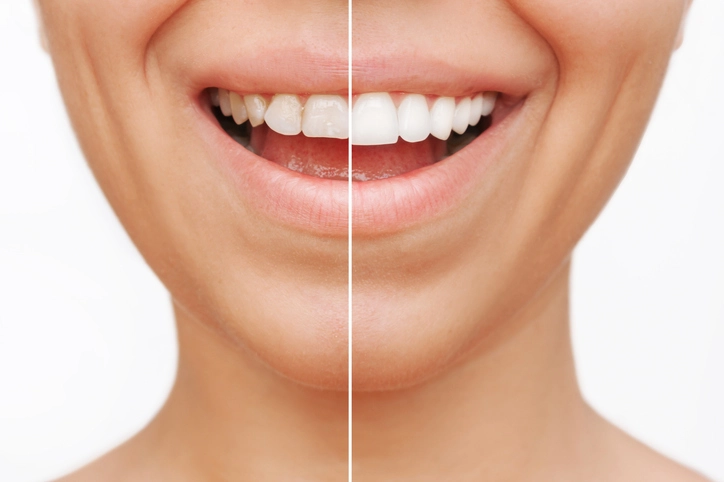
A cracked front tooth, stubborn stains, or uneven smile can make every photo, meeting, or conversation feel uncomfortable. Veneers are worth it for many patients who want long-lasting cosmetic improvement, but only when their teeth are healthy and expectations are realistic.
Dental veneers can improve color, shape, spacing, and symmetry in a planned, natural-looking way. Understanding the cosmetic benefits and veneer process can help patients know what treatment involves before making a long-term decision. They are not a quick cover-up for untreated cavities, gum disease, or bite problems.
The best results come from a careful exam, honest cost discussion, and customized design.
How Long Do Dental Veneers Last?
Typical Lifespan
Porcelain veneers often last 10 to 15 years, and some last longer with excellent care. Composite veneers usually have a shorter lifespan because the material stains and chips more easily. Longevity depends on your bite, enamel, oral hygiene, diet, and whether you grind your teeth.
Veneers do not last forever, even when they are beautifully made. They may eventually need repair or replacement because edges can wear, bonding can weaken, or surrounding gums can change with age and daily function.
What Patients Can Do
Patients can brush twice daily, floss carefully, avoid chewing ice, wear a nightguard if needed, and keep routine dental checkups. A dentist should handle polishing, bite adjustments, repairs, and replacement decisions.
Do Veneers Damage Your Natural Teeth?
The Honest Answer
Traditional porcelain veneers usually require removing a thin layer of enamel so the veneer fits without looking bulky. That enamel does not grow back, so the decision should be made carefully.
This does not mean veneers “ruin” teeth when done properly. It means the teeth are permanently altered. Healthy planning protects the tooth structure, bite, gums, and final appearance.
When Damage Risk Increases
Problems are more likely when veneers are placed over decay, weak enamel, active gum disease, or an unstable bite. Risk also rises with unlicensed providers or bargain procedures that skip proper diagnosis. Cosmetic work should always be done by a licensed dental professional.
What Is the Average Cost of Porcelain Veneers?
Realistic Price Range
The average porcelain veneers cost often ranges from about $900 to $2,500 per tooth in the United States. Fees vary by location, dentist experience, lab quality, number of teeth treated, imaging, temporaries, and whether gum contouring or teeth whitening is needed first.
A full smile design can cost significantly more because many patients treat six to ten visible upper teeth. Insurance usually does not cover veneers when they are cosmetic.
What Affects Value
The lowest fee is not always the best value. High-quality veneers require planning, shade matching, tooth preparation, temporary veneers, lab work, and careful bonding over multiple visits. Patients considering dental veneers in Frisco, TX to enhance their teeth’s appearance should ask what is included, how revisions are handled, and whether the dentist shows real case examples.
Can Veneers Fix Crooked or Chipped Teeth?
What Veneers Can Correct
Veneers can improve minor crookedness, small gaps, worn edges, chips, uneven tooth shapes, and deep discoloration that whitening cannot fully correct. They can make teeth look straighter without orthodontics in select cases.
They are best for cosmetic alignment, not major tooth movement. If teeth are severely crowded, rotated, or bite-related, clear aligners or braces may be healthier before veneers.
Professional Guidance Matters
A dentist can determine whether the issue is cosmetic, structural, bite-related, or connected to uneven enamel wear. Patients should not try to file, reshape, or repair chipped teeth at home. Temporary drugstore repair products may help briefly, but they are not a substitute for diagnosis.
Are Veneers Permanent or Reversible?
Traditional Veneers
Most traditional veneers are considered permanent because enamel is removed during preparation. Once teeth are prepared, they generally need veneers or another restoration going forward.
No-prep or minimal-prep veneers may be more conservative for some patients, but they are not suitable for every smile. Teeth that are already bulky, dark, crowded, or poorly positioned may still need preparation for a natural result.
What to Ask First
Before treatment, ask how much enamel will be removed, whether temporaries are included, what happens if a veneer breaks, and what replacement may cost later. A responsible dentist will explain both the short-term result and long-term maintenance.
What Are the Disadvantages of Getting Veneers?
Costs and Upkeep
Veneers can be expensive, especially when several teeth are treated. They may need replacement later, so patients should plan for future costs. Temporary sensitivity can happen after preparation, especially to cold foods or drinks.
Porcelain resists stains well, but natural teeth around veneers can still change color. Whitening should usually be completed before final shade selection.
Not for Every Patient
Veneers may not be ideal for untreated cavities, gum disease, heavy grinding, poor enamel, or unrealistic expectations. They can chip under excessive force. They also require habits that protect them, including not using teeth as tools.
A fair comparison matters. Whitening may be better for simple stains. Dental bonding may be better for small chips and lower budgets. Orthodontics may be better for bite or alignment problems.
Do Veneers Look Natural?
What Creates a Truly Natural Result
Yes, veneers can look natural when they are designed around the patient’s face, lips, gums, bite, and tooth proportions. Natural-looking veneers are not just bright. They have shape, translucency, texture, and shade variation.
The most believable results usually avoid an overly white, flat, or identical look. Good veneers should match the patient, not a template.
How to Protect the Result
Patients should review photos, discuss shade goals, and approve temporaries when possible. The dentist and lab should work together on details like tooth length, edge shape, and smile line. Regular teeth cleanings help keep gums healthy around the veneers and let your dentist catch small concerns before they become larger repairs.
Key Insights
Veneers are worth it for patients who want a durable cosmetic change and understand the tradeoffs. They can improve chips, stains, gaps, tooth shape, and mild crookedness, but they are not reversible in most traditional cases.
Cost depends on materials, dentist skill, location, and the number of teeth treated. The safest path is a professional exam first, especially if there is decay, gum disease, grinding, or bite trouble.
Natural results come from conservative planning, realistic shade choices, and proper long-term care, with regular dental checkups supporting better outcomes over time.
Ready to Talk About Veneers?
Your smile should feel like yours, only more confident. At Aesthetic General Dentistry of Frisco, we help patients understand the real benefits, limits, costs, and maintenance involved before making a decision.
If you are considering dental veneers in Frisco, TX, we can evaluate your teeth, discuss porcelain and alternative options, and explain what kind of result is realistic for your smile.
Our goal is not to push treatment. It is to help you choose wisely, protect your natural teeth, and feel comfortable with each step. Schedule a veneer consultation with us when you are ready to explore your options today.