

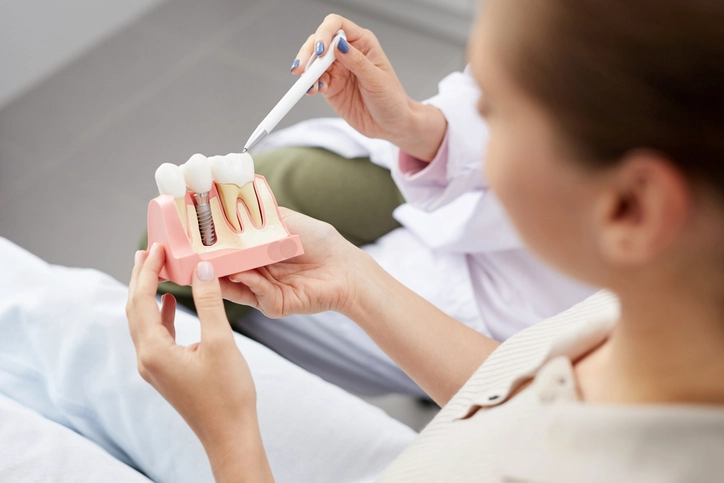
Missing a tooth can affect more than just your smile. It can change how you eat, speak, and feel about your appearance. That is why so many people look into dental implants as a long-term solution.
But before moving forward, it is normal to have questions about dental implant safety, possible risks, and what kind of results to expect. The good news is that implants have helped many people restore both function and confidence. Understanding the benefits of dental implants can also help you decide whether they may be a suitable option for replacing missing teeth.
If you are researching dental implants in Frisco, TX, this guide will walk you through the basics in a simple, clear way.
What Are the Risks of Dental Implants?
While dental implants in Frisco, TX are generally safe and effective, like any surgical procedure, they do carry some risks. These risks include:
- Infection: One of the most common risks following implant surgery is infection at the site of the implant. Infections can occur if bacteria enter the surgical area, particularly during the healing process. Proper post-surgery care, including keeping the area clean, can reduce the risk of infection.
- Nerve Damage: In rare cases, dental implants can cause nerve damage, leading to numbness, tingling, or pain in the gums, teeth, or even the lips and chin. This risk is more likely if the implant is placed too close to a nerve.
- Implant Failure: In some cases, the dental implant may fail to properly fuse with the jawbone, a process known as osseointegration. Failure can be caused by infection, poor bone quality, or excessive stress on the implant.
- Sinus Issues: If the implant is placed in the upper jaw, there is a small risk of sinus perforation, which can lead to sinus infections or discomfort.
Though these risks exist, they are relatively rare, and most patients experience successful outcomes with proper care and a qualified dental professional.
How Successful Are Dental Implants Long Term?
The long-term success of dental implants in Frisco, TX is one of the major reasons why they are so highly recommended for tooth replacement.
Several factors contribute to the long-term success of dental implants:
- Bone Health: Healthy bone is essential for the implant to integrate successfully. The jawbone must be dense enough to support the implant, and bone loss can sometimes complicate the procedure.
- Oral Health and Hygiene: Maintaining good oral hygiene is crucial for the longevity of dental implants. Regular brushing, flossing, and professional cleanings help prevent infection and gum disease, which can affect the implant’s stability.
- Lifestyle Factors: Smoking and poor nutrition can negatively impact the success of dental implants. Smoking reduces blood flow and can hinder healing, while a poor diet can affect bone health.
As long as the procedure is performed by an experienced dentist and proper aftercare is followed, dental implants can last many years and provide a reliable solution for missing teeth.
Can Dental Implants Fail After Years?
While dental implants in Frisco, TX are designed for long-term use, they can fail after several years due to a variety of factors. The most common reasons for implant failure include:
- Infection: A bacterial infection, particularly peri-implantitis, can cause the implant to fail. This is an infection of the gums and bone surrounding the implant that can lead to bone loss and implant loosening.
- Implant Overload: If too much force is applied to the implant, it can become loose or break. This may occur if a patient is grinding their teeth (bruxism) or if the implant is not properly aligned.
- Gum Recession: Over time, the gums around the implant may recede, exposing the metal post. This can lead to aesthetic concerns and, in some cases, may affect the stability of the implant.
- Bone Loss: In rare cases, bone loss can occur around the implant, causing it to become loose and eventually fail. This is often related to poor oral hygiene, smoking, or other health conditions.
While failure after years is uncommon, regular check-ups with your dentist can help identify issues early and prevent the need for a new implant. You can also learn more about long-term outcomes in this related article on the benefits of dental implants.
Are Dental Implants Safe for Older Adults?
Dental implants in Frisco, TX are safe for most older adults, provided they have good overall health. Age itself is not a barrier to receiving dental implants, but there are a few factors to consider:
- Bone Density: As people age, they may experience bone loss, which can affect the jawbone’s ability to support an implant. In some cases, bone grafts can be used to rebuild bone before the implant is placed.
- Medical Conditions: Conditions such as diabetes or heart disease can affect the healing process and increase the risk of complications. It’s important for older patients to discuss their medical history with their dentist to determine if they are a good candidate for implants.
- Healing Capacity: As we age, our bodies tend to heal more slowly. However, with proper care and attention, older adults can still enjoy the benefits of dental implants.
Overall, dental implants are a safe and viable option for many older adults, especially when appropriate planning and care are taken.
What Is the Recovery Time for Dental Implants?
The recovery time for dental implants in Frisco, TX can vary depending on individual health and the complexity of the procedure. Understanding the dental implant procedure in Frisco, TX and what to expect during recovery can help patients prepare for each stage of treatment. On average, the healing process for implants takes about 3 to 6 months. Here’s what to expect:
- Initial Healing: After the implant is placed, the jawbone needs time to fuse with the implant in a process called osseointegration. This typically takes 3 to 6 months.
- Post-Surgery Recovery: During the first few days after surgery, patients may experience swelling, bruising, and discomfort. These symptoms typically subside within a few days to a week.
- Full Recovery: Once the implant has integrated with the bone, a crown, bridge, or denture can be attached, completing the restoration. This final step may take additional time, depending on the type of restoration needed.
Overall, the recovery period for dental implants is relatively straightforward, though it requires patience and following your dentist’s post-operative instructions to ensure the best results. For a closer look at what treatment may involve, visit our dental implant process page.
Are There Side Effects After Dental Implant Surgery?
Like any surgical procedure, there can be some side effects after dental implant surgery, though most of them are temporary and manageable. Common side effects include:
- Swelling and Bruising: It’s normal to experience some swelling and bruising around the implant site, which usually resolves within a few days to a week.
- Pain or Discomfort: Mild pain or discomfort is common after the procedure. This can typically be managed with over-the-counter pain medications as prescribed by your dentist.
- Bleeding: Some minor bleeding during the first 24 hours is normal. However, excessive bleeding should be reported to your dentist.
- Infection: Although rare, infections can occur after the procedure. Following your dentist’s instructions for oral hygiene and post-operative care can help prevent this.
These side effects are usually mild and temporary, but any concerns should be discussed with your dentist during the recovery period.
How Often Do Dental Implant Complications Happen?
Dental implant complications are relatively rare, especially when the procedure is performed by an experienced dental professional. Studies show that the success rate for dental implants is high, meaning complications occur in a relatively small percentage of cases.
When complications do arise, they are typically related to:
- Infection: This is one of the most common complications, but with proper aftercare, the risk is significantly reduced.
- Implant Failure: This can occur due to poor bone quality, implant misplacement, or excessive stress on the implant.
- Peri-implantitis: This is an infection of the tissue around the implant that can lead to bone loss if untreated.
While complications are uncommon, regular follow-up visits to your dentist can help identify and address any issues early, ensuring the longevity and success of your dental implants. If you want additional insight, read our related post on dental implants and bone loss.
Conclusion
Dental implants in Frisco, TX offer a safe and effective long-term solution for replacing missing teeth.
While there are risks associated with the procedure, these can be minimized with proper planning and care. The benefits of dental implants, including improved function, aesthetics, and longevity, often outweigh the potential complications.
Understanding the recovery process, success rates, and possible side effects will help you make an informed decision.
Restore Your Smile with Aesthetic General Dentistry of Frisco
If you’re considering dental implants in Frisco, TX and want to ensure a smooth, successful procedure, Aesthetic General Dentistry of Frisco is here to help. Our experienced team will guide you through every step of the process, ensuring your smile is restored with the best care possible.
Contact us today to schedule a consultation and take the first step toward a healthier, brighter smile!