
For decades, losing a tooth usually meant one thing: a bridge, a denture, or learning to live with the gap. Those solutions worked, but they also came with compromises. Today, something quieter is happening in dentistry.
Dental implants are changing how tooth replacement is approached, often without much fanfare. Patients aren’t just replacing teeth anymore. They’re restoring function, confidence, and long-term oral health in a way that wasn’t possible before. For patients comparing treatment options, understanding what affects dental implant cost can also help clarify the long-term investment involved.
This shift isn’t loud or flashy, but it’s reshaping expectations and redefining what “normal” tooth replacement can look like.
How do dental implants compare to traditional tooth replacement options?
Dental implants and traditional options solve the same problem, but they do it in very different ways.
Key differences include:
- Implants replace the tooth root, not just the crown
- Bridges rely on neighboring teeth for support
- Dentures rest on gums instead of bone
- Implants help preserve jawbone structure
- Traditional options often need replacement over time
- Implants feel more like natural teeth
- Long-term maintenance differs significantly
Bridges and dentures have helped millions of patients, but they work around the problem rather than solving it at the root. A bridge requires reshaping healthy teeth. Dentures can shift as the jaw changes over time.
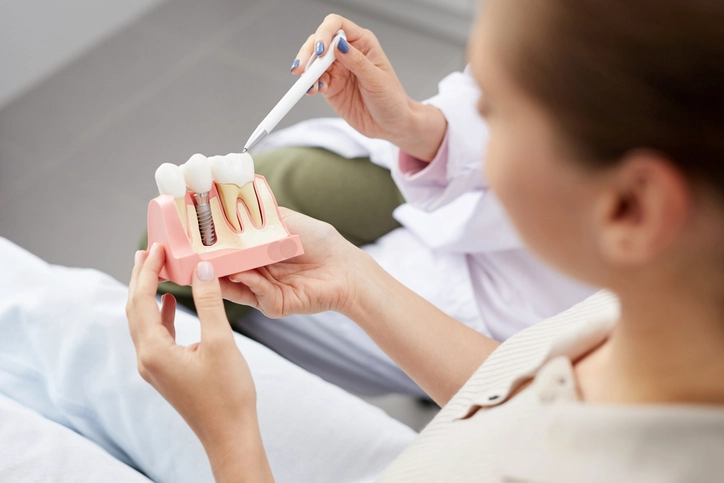
Dental implants stand alone. They integrate with the jawbone, creating stability that traditional options can’t match. For many patients, that means better comfort, easier eating, and less daily worry. While not every patient is a candidate, implants often offer a more complete solution when conditions allow. For more details, check out our restorative dentistry services.
Why are dental implants considered a modern alternative to traditional dentistry?
Dental implants represent a shift in how dentists think about tooth replacement.
They’re considered modern because they:
- Focus on long-term structural health
- Use advanced imaging and planning
- Integrate with the body naturally
- Reduce dependence on adjacent teeth
- Offer predictable outcomes
- Support facial structure
- Emphasize prevention of future problems
Traditional dentistry often addressed tooth loss after the fact. Implants take a proactive approach. By replacing the root, they help maintain bone and prevent the chain reaction that tooth loss can trigger.
Modern technology plays a big role. Digital scans, precise placement, and improved materials make implants more accessible and reliable than in the past. The goal isn’t just to fill a space. It’s to restore balance to the entire mouth. That mindset is what sets implants apart as a modern solution. Patients who want to restore their smile with long-lasting dental implants can benefit from this combination of stability, function, and natural-looking results. Learn more about the benefits of dental implants in our detailed blog post on restoring your smile with dental implants.
What makes dental implants different from bridges and dentures?
The biggest difference lies beneath the surface.
Dental implants differ because they:
- Anchor directly into the jawbone
- Don’t rely on neighboring teeth
- Prevent bone loss at the missing tooth site
- Stay fixed in place
- Mimic natural tooth function
- Reduce pressure on gums
- Offer long-term stability
Bridges connect to surrounding teeth, which can weaken them over time. Dentures rest on soft tissue and can move as the mouth changes. Both options require adjustments as years go by.
Implants become part of the bone. That integration creates strength and stability. Patients often report forgetting which tooth is the implant because it feels so natural. This difference affects not just comfort, but confidence. Eating, speaking, and smiling feel more secure when teeth don’t shift or slip. Explore our dental implant services.
Are dental implants changing the future of tooth replacement?
Quietly, yes. Dental implants are reshaping expectations.
They’re changing the future by:
- Raising standards for tooth replacement
- Encouraging earlier intervention
- Reducing long-term complications
- Improving quality of life
- Supporting comprehensive care planning
- Offering lasting solutions
- Redefining what patients expect after tooth loss
More patients now ask about implants as a first option, not a last resort. Dentists are also integrating implants into broader treatment plans that focus on long-term health rather than short-term fixes.
As technology continues to improve, implants are becoming more efficient and accessible. The future of tooth replacement is less about compromise and more about restoration. That shift is subtle, but it’s powerful. It reflects a growing understanding that replacing a tooth should restore more than appearance. It should restore function and confidence too. If complications occur, understanding how to fix a failed dental implant and the available treatment options can help patients know what steps may be taken to protect their oral health. For further insight, check out our blog post on dental implants.
Discover a Better Way to Restore Your Smile
At Aesthetic General Dentistry of Frisco, we believe tooth replacement should feel natural, comfortable, and built to last. We take a thoughtful approach to dental implants, helping patients understand how they compare to traditional options. Our team focuses on long-term oral health, clear communication, and personalized care.
If you’re exploring your options after tooth loss, we’re here to guide you through modern solutions that fit your needs and goals. A quiet revolution is happening in dentistry, and we’re proud to help our patients be part of it.